
Immunotechnology
Connect immunology with diagnostics and biotechnology.
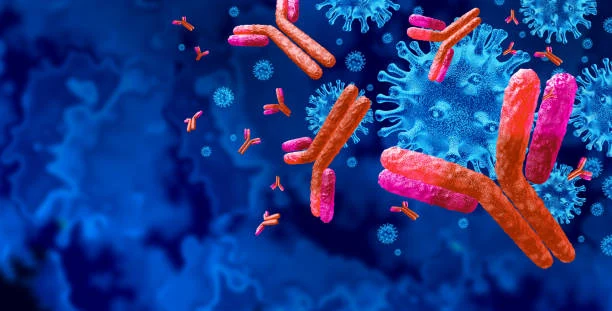
Immunotechnology combines immunology, biotechnology and data analysis. The programme covers immune mechanisms and their applications in immunodiagnostics, vaccinology, biotherapies and bioproduction.
Programme lead
Dr Imène Belhassena
Department
Second Cycle Department
Programme objectives
Understand the immune system from molecules to organisms and innate and adaptive responses. Connect these foundations with clinical immunology, technological applications, biotherapies and biomedical innovation.
Subjects and teaching
S1–S2: advanced fundamental immunology, metabolic biochemistry, cell signalling, molecular biology, immunogenetics and immunoinformatics. S3–S4: immunotechnology, cell culture, immunopathophysiology, genetic engineering, genomics and proteomics. S5: oncogenesis, neuroimmunology, the human microbiome, synthetic biology, biostatistics and an entrepreneurship workshop. S6: final-year project.
Skills developed
Analyse antigen–antibody interactions and related assays; select an immunological method appropriate to a biological question and interpret the results. Develop autonomy, organisation, scientific communication and biotechnology project skills.
Application areas
Immunodiagnostics, vaccinology, biotherapies and bioproduction.
Internships
Internships in research laboratories or companies.
Final-year project
A project drawing on scientific and practical learning.
Career pathways
Presented career sectors include biotechnology, pharmaceuticals, research, analytical laboratories and innovative project development.
Doctoral study and research
The programme prepares students for research and doctoral applications subject to admission requirements and available calls. ESSBO’s Biotechnology and Health and Microbial Biotechnology doctoral programmes extend this biological sciences research environment.
Your pathway, semester by semester
46 modules shown
Semester 19 modules
- Advanced Fundamental Immunology 15 creditsCoefficient 3Semester hours: 45h00Lectures / week: 01h30Tutorials / week: 01h30Practicals / week: -Other hours: 80h00
Assessment: continuous assessment 40 % · exam 60 %
Explore this module
S1Advanced Fundamental Immunology 1Overview
Recommended prior knowledge: Basic concepts in immunology.
Objectives
Learning objectives: Deepen students’ knowledge of immunology, focusing on innate immunity and the inflammatory response.
Programme
Course content:
Lectures
Part I: Introduction to immunology
Chapter 1: Basic concepts in immunology
Overview of the immune system
The concept of an antigen and recognition structures
Self, non-self and clonal selection
Roles and properties of the immune system
Chapter 2: Structure and general organization of the immune system
Lymphoid organs: location, structure and function
Different immune cells: morphology, function and differentiation markers
Part II: Innate immunity and the inflammatory response
Chapter 1: Innate immunity
Innate immune cells and their receptors
Chapter 2: The complement system
Complement activation pathways
Effector pathways of the complement system
Regulation
Complement receptors
Complement and human diseases
Investigation of the complement system
Chapter 3: Natural killer (NK) lymphocytes
General characteristics of NK cells
Origin and maturation of NK cells
Functions of these cells
Mechanisms of recognition and NK-cell activation
NK-cell receptors
Involvement in antitumour immunity
Chapter 4: Neutrophils
Introduction to neutrophils
Origin and development of neutrophils: from the bone marrow to the inflammatory site
Neutrophil phenotypes and functional plasticity
Effector functions of neutrophils
Chapter 5: Inflammatory responses
Introduction
Different components involved in the inflammatory process
Different phases of inflammation
Different types of inflammation
Biological markers of inflammation
Treatment
Tutorials
Exercises on innate immune responses and inflammation
Exercises on the complement system
Scientific article analysis or presentations
Assessment
d) Assessment: Continuous assessment 40%; examination 60%.
References
e) References: Books, course handouts, websites and other resources.
Les bases de l’immunologiefondamentale et clinique. Abul K. Abbas, Andrew H. Lichtman. Traduction de la 3e édition anglaise : Pierre L. Masson, 2008 ; 244 pages.
Immunologie fondamentale et immunopathologie, 2e édition, de l'ASSIM : Collège des Enseignants d'Immunologie, Elsevier Masson SAS; 2018.
Immunologie exercices QCM, questions de cours et problèmes résolus. Bruno Lemaître, Giovanna Clavarino, Bianca Petrignani, Ppur. 2020: 304 pages.
- Metabolic Biochemistry and Regulation4 creditsCoefficient 2Semester hours: 45h00Lectures / week: 01h30Tutorials / week: 01h30Practicals / week: -Other hours: 55h00
Assessment: continuous assessment 40 % · exam 60 %
Explore this module
S1Metabolic Biochemistry and RegulationOverview
Recommended prior knowledge: Structural biochemistry, enzymology and molecular biology.
Objectives
Learning objectives: Acquire in-depth knowledge of carbohydrate, lipid and amino acid metabolism and their regulation.
Programme
Course content:
Lectures
Part I: Overview of metabolism
Chapter 1: Metabolic crossroads
Review of the different metabolic pathways
Chapter 2: Bioenergetics
Review of thermodynamics
Molecular mechanisms and electron transfer in the mitochondrial respiratory chain
Chapter 3: Enzyme catalysis
Enzyme structure and properties
Enzyme nomenclature and classification
Mechanism of enzyme action
Enzyme kinetics
Catalytic activity
Allosteric enzymes
Part II: Metabolism and regulatory processes
Chapter 1: Enzymatic and hormonal regulation
Enzymatic regulation
Hormonal and metabolic regulation
Chapter 2: Metabolism of carbohydrates and glycoconjugates
Glycolysis and its regulation
Regulation and disorders of glycogen metabolism
Signal transduction and membrane transport
Other pathways of carbohydrate metabolism
Chapter 3: Investigation of lipid metabolism
Organisation of lipid metabolism
Eicosanoid metabolism
Metabolism of fat-soluble vitamins
Regulation of lipid and fatty acid metabolism
Chapter 4: Amino acid metabolism
Amino acid biosynthesis
Catabolism of amino acid nitrogen and carbon skeletons
Conversion of amino acids into specialised products
Chapter 5: Integrative cell biochemistry
Free radicals and oxidative stress
Biochemistry of ageing
Nervous tissue metabolism and metabolic regulation of synapses
Assessment
d) Assessment: Continuous assessment: 40%; examination: 60%.
References
e) References: Books, course handouts, websites and other resources.
Biochimie structurale et métabolique. Christian Moussard. 3rd edition, 2006; 352 pages.
Biochimie et biologie moléculaire. Christian Moussard. DE BOECK SUP. 2nd edition, 2020; 344 pages.
Biochimie métabolique. Sabine Meyer-Rogge and Kai Meyer-Rogge, De Boeck, 2012.
- Cellular and Molecular Signalling4 creditsCoefficient 2Semester hours: 45h00Lectures / week: 01h30Tutorials / week: 01h30Practicals / week: -Other hours: 55h00
Assessment: continuous assessment 40 % · exam 60 %
Explore this module
S1Cellular and Molecular SignallingOverview
Recommended prerequisite knowledge: Fundamentals of biochemistry, immunology and cell biology.
Objectives
Learning objectives: This module introduces membrane dynamics, intracellular compartmentalisation and their integration into cell function, together with intracellular signal transmission initiated by hydrophilic ligands. It covers modules and interconnected signalling networks and introduces biochemical genomics.
Programme
Module content:
Chapter I: Review of the molecular organisation of biomembranes
1. Biomembrane structure
1.1. Asymmetry of membrane lipid composition and distribution
1.2. Distribution of membrane proteins
2. Membrane fluidity
3. Targeting mechanisms
3.1. Intracellular vesicular trafficking of proteins
3.2. Post-translational protein modifications
3.2.1. Lipidation
3.2.2. Glycosylation
Chapter II: Membrane receptors and intracellular signalling molecules
Membrane receptors and their ligands
Receptor characteristics
Classification of receptors by location
1.2.1. Nuclear receptors
1.2.2. Membrane receptors
Types of membrane receptor
1.3.1. Ion-channel receptors
1.3.2. G protein-coupled receptors (GPCRs)
1.3.3. Receptors with intrinsic enzymatic activity
1.3.3.1. Receptor tyrosine kinases (RTKs)
1.3.3.2. Receptors with serine/threonine kinase activity
1.3.4. Receptors with guanylyl cyclase activity
1.3.5. Tyrosine kinase-associated receptors
1.3.6. Serine/threonine kinase-associated receptors
General scheme of a signalling pathway
Network of intracellular signalling molecules
Main adaptor proteins
Protein–protein interaction domains
3.1.1.1. SH domains (Src homology domains)
3.1.1.2. PTB domains (phosphotyrosine binding)
3.1.2. SH2-domain adaptor proteins
3.1.2.1. Grb2 protein
3.1.2.2. Shc protein
Small monomeric G proteins
3.2.1. Ras protein superfamily
3.3. Regulatory proteins associated with small G proteins
3.3.1. GTP/GDP exchange proteins (GEPs)
3.3.2. GTPase-activating proteins (GAPs)
3.4. Enzymes and intracellular second messengers
3.4.1. Properties of a second messenger
3.4.2. Second-messenger synthesis reactions and enzymes
3.4.2.1. Cyclic AMP and adenylyl cyclase
3.4.2.2. Diacylglycerol (DAG), inositol trisphosphate (IP3) and phospholipases C
3.4.2.3. Phosphatidylinositol bisphosphate (PIP2) and PI3-kinase; the source incorrectly pairs “trisphosphate” with PIP2
3.4.2.4. Cyclic GMP and guanylyl cyclase
3.5. Protein kinases
3.5.1. Phosphorylation reactions and kinase domains
3.5.2. Major protein kinases
3.5.2.1. Protein kinase A (PKA)
3.5.2.2. Protein kinase C (PKC)
3.5.2.3. Protein kinase B (Akt)
3.5.2.4. Mitogen-activated protein kinases (MAPKs)
Chapter III: Molecular basis of receptor tyrosine kinase signalling
Mechanisms of RTK activation
Receptor dimerisation
Receptor transphosphorylation
Activation of the mitogen-activated protein kinase cascade
MAPK-activated transcription factors: AP-1 (activator protein 1)
Activation of the phosphatidylinositol 3-kinase pathway
PI3K lipid kinase activity
PI3K classes
Class IA
Class IB
Roles of PI3K subunits
Mechanisms of PI3K activation by RTKs
Direct activation
Activation through the adaptor IRS-1 (insulin receptor substrate 1)
Activation by Ras
Recruitment of PDK1 (phosphoinositide-dependent kinase 1)
Activation of Akt (PKB)
Chapter IV: Signalling through G protein-coupled receptors
Heterotrimeric G proteins
G protein structure and subunits; subunit symbols are missing in the source
G proteins and subunit types s, i, q and 12; some symbols are missing in the source
G protein activation/inactivation cycle
Adenylyl cyclase activation by the G protein αs subunit
Phospholipase C activation by the G protein q subunit
4.1. Release of second messengers: DAG and inositol trisphosphate
4.2. DAG and protein kinase C activation
4.3. IP3 and intracellular calcium mobilisation
Contribution of a G protein subunit to PI3K activation; its symbol is missing in the source
CREB transcription factors
Chapter VI: Signal-dependent transcription factors
Simplified classification of transcription factors
Constitutively active transcription factors
Regulated transcription factors
Transcription factors regulated by a membrane signal
Nuclear factors (C/EBP and AP-1)
Cytoplasmic factors
STAT: signal transducer and activator of transcription
SMAD: Sma and Mad family
NF-κB: nuclear factor kappa B; the kappa symbol is missing in the source
Activation of STAT transcription factors by cytokine signalling
Definition and classes of cytokines
Receptors associated with cytoplasmic Janus tyrosine kinases (JAKs)
JAK family members
Receptor activation by JAK kinases
Signal transmission through STATs
STAT family members
STAT protein structure
STAT activation and translocation to the nucleus
JAK/STAT activation by IL-6
JAK/STAT activation by interferon; subtype not visible in the source
Activation of SMAD transcription factors by transforming growth factor; suffix not visible in the source
SMAD family members
SMAD protein structure
Canonical SMAD activation by serine/threonine kinase receptors
Canonical NF-κB activation by IL-1 and tumour necrosis factor; TNF suffix not visible in the source
4.1. NF-κB
4.1.1. NF-κB family members
4.1.2. Structural characteristics of NF-κB
4.1.3. IκB inhibitory proteins; subtype symbols missing in the source
4.1.4. IKK (IκB kinase)
4.2. NF-κB activation by IL-1
4.2.1. IL-1 receptor complex
4.2.2. MyD-dependent IL-1 signalling; the source symbol is truncated
4.3. NF-κB activation by TNF; suffix missing in the source
4.3.1. TNF receptors; suffix missing in the source
4.3.2. Signalling through the type 1 TNF receptor
4.4. NF-κB-responsive genes
Chapter V: Contributions of AI to the study of cellular signalling pathways
Protein interaction network analysis with STRING
How STRING works: data sources and confidence scores
Visualising a signalling network, such as MAPK
Interpreting connections: central proteins, hubs and complexes
Functional enrichment and pathway exploration with ShinyGO
Gene Ontology and pathways in KEGG and Reactome
Analysis of a gene/protein dataset
Identification of significantly enriched signalling pathways
Predicting 3D signalling-protein structures with AlphaFold
From sequence to structure: prediction principles
Using the AlphaFold Protein Structure Database
Identification of functional domains, such as kinase and SH2 domains
Practical case: visualising a key protein in PyMOL or ChimeraX
Integrated case study: the PI3K–AKT pathway
Network reconstruction with STRING
Enrichment of associated functions with ShinyGO
Visualising AKT or PI3K structure via AlphaFold
Discussion: combining tools to understand cellular regulation
Limitations, outlook and research opportunities
Data limitations and interpretation of results
Complementarity with experimental approaches
Assessment
Assessment: continuous assessment 40%; examination 60%.
References
References: books, course handouts, websites, etc.
Communications et signalisations cellulaires, 4ème édition, Editeur lavoisier, ISBN : 978-2-7430-1508-4.
L’essentiel de la biologie cellulaire B. Alberts, D. Bray, K. Hopkin, A. Johnson, J. Lewis, M. Raff, K. Roberts, P. Walter, 3e edition, 2012.
Biologie moléculaire de la cellule B. Alberts, J. Wilson, 5e édition, 2011.
- Molecular Biology 14 creditsCoefficient 2Semester hours: 45h00Lectures / week: 01h30Tutorials / week: 01h30Practicals / week: -Other hours: 55h00
Assessment: continuous assessment 40 % · exam 60 %
Explore this module
S1Molecular Biology 1Overview
Recommended prior knowledge
Cell biology, biochemistry and genetics.
Objectives
Learning objectives
Students will acquire foundational knowledge of the structure and properties of nucleic acids and understand genome and gene organisation in prokaryotes and eukaryotes. The module also covers the molecular events involved in DNA replication and transcription, and in messenger RNA translation. Mechanisms of DNA damage and repair are examined in detail.
Students will also be introduced to the integration of artificial intelligence (AI) into molecular biology, to develop biological data analysis skills and encourage innovative interdisciplinary approaches.
Programme
Course content:
Introduction to molecular biology
Definition
Historical background
The central dogma of molecular biology
Structure of nucleic acids
1. Chemical components of nucleic acids
1.1. Nitrogenous bases
1.2. Pentoses
1.3. The phosphate group
2. Nucleosides and nucleotides
2.1. The N-glycosidic bond and the resulting nucleosides
2.2. The phosphoester bond
2.3. The pyrophosphate bond
2.4. Nomenclature
3. Nucleotide polymerisation
3.1. Phosphodiester bonds and formation of nucleotide polymers
3.2. Notation conventions
4. Deoxyribonucleic acid (DNA)
4.1. DNA structure
4.2. Characteristics of the double helix
4.3. Physicochemical properties of DNA
4.4. Three-dimensional structure, compaction and higher-order organisation
5. Ribonucleic acids (RNA)
5.1. Structure and characteristics of ribonucleic acids
5.2. Types of ribonucleic acids: synthesis and function
6. Nucleic acid manipulation
Exonucleases and restriction endonucleases.
Genome and gene organisation
Definitions
Genome organisation
2.1. Genome content
2.2. Genome variability
2.3. Similarities between genomes
2.4. Prokaryotic genomes
Chromosomal DNA
Extrachromosomal DNA: plasmids
2.5. Eukaryotic genomes
Heterogeneity of DNA sequences
Highly repetitive DNA
Moderately repetitive DNA
Non-repetitive DNA
Mitochondrial DNA
2.6. Genome plasticity and transposable elements
Gene organisation
3.1. In prokaryotes
3.2. In eukaryotes
3.3. Types of genes
Single-copy genes; structural genes, regulatory genes, pseudogenes and housekeeping genes.
Gene families and superfamilies: homologues, paralogues, orthologues and xenologues
DNA replication
Overview
Fundamental principles of replication
2.1. Semiconservative replication
2.2. Origin of replication
2.3. Bidirectional replication
2.4. Unidirectional polymerisation
2.5. Semidiscontinuous replication
2.6. RNA primer
Replication enzymes
3.1. Helicases
3.2. Topoisomerases
3.3. Primase
3.4. DNA polymerases
3.5. DNA ligase
Replication proteins
Replication in prokaryotes
5.1. Proteins involved
5.2. Replication origins and termination in E. coli
5.3. Stages of prokaryotic replication
5.4. Regulation of replication in E. coli
Replication in eukaryotes
6.1. Eukaryotic DNA polymerases
6.2. Telomeres and telomerases
Histones and replication
Replication of retroviral genetic material
Variation and maintenance of genetic material
Introduction
DNA damage
Endogenous damage
Replication errors
Tautomerisation
Depurination and depyrimidination
Deamination
Methylation errors
Damage caused by exogenous agents
Damage caused by physical mutagens
Damage caused by chemical mutagens
Prevention
Cellular responses to DNA damage
DNA repair
Immediate repair
Repair during replication
Direct reversal by photolyases
Direct reversal by alkyltransferases
Secondary repair
Base excision repair (BER)
Nucleotide excision repair (NER)
Mismatch repair
Repair of breaks by recombination
The SOS response in E. coli
Defects in repair systems: selected examples
Genetic variation
Types of point mutations
Classification by the nature of the mutation
Substitution, deletion and insertion mutations
Classification by the consequence of the mutation
Missense, nonsense, silent and frameshift mutations
DNA transcription
Overview
The transcription unit
Template strand and coding strand
Transcription in prokaryotes
Initiation
Elongation
Termination
Rho-dependent termination
Rho-independent termination
Processing of primary transcripts
Transcription in eukaryotes
Distinctive features of eukaryotic transcription
Eukaryotic RNA polymerases
The protein complex required for transcription
Eukaryotic promoters
Initiation
Elongation
Termination
Post-transcriptional mRNA processing in eukaryotes
Capping
Polyadenylation
Splicing
Translation
The genetic code
Components of the translation machinery
2.1. Ribosomes: synthesis, structure and function
2.2. tRNA: structure and role; aminoacyl-tRNA synthetases
a) Structure of tRNAs and isoacceptor tRNAs
b) Amino acid loading onto tRNA
Stages of prokaryotic translation
3.1. Initiation
3.2. Elongation
a. Coupling reaction
b. Peptide bond formation and release of the first tRNA
c. Translocation
3.3. Termination
Distinctive features of eukaryotic translation
Post-translational modifications
A. Definitions and examples
B. Phosphorylation
C. Histone acetylation and methylation
D. p53 acetylation
Introduction to applications of artificial intelligence in molecular biology
Definition of AI and key concepts: algorithms, machine learning and deep learning
Introduction to biological databases: NCBI, Ensembl and UniProt
Introduction to BLAST, Clustal Omega and AlphaFold
Introduction to AI applications in DNA/RNA sequence analysis: multiple sequence alignment and secondary structure prediction
Introduction to computational and AI-based genome annotation tools, including DeepGene and GeneMark
AI for promoter and alternative splicing prediction
Protein structure modelling, active-site prediction and simulation of translation
Tutorials:
Tutorial 01: Structure of nucleic acids
Tutorial 02: Genome and gene organisation
Tutorial 03: DNA replication
Tutorial 04: Variation and maintenance of genetic material
Tutorial 05: DNA transcription
Tutorial 06: mRNA translation
Tutorial 07: AI applications in molecular biology
Introduction to biological databases, bioinformatics tools and AI: BLAST, Ensembl and AlphaFold
Classifying sequences by similarity
Using a simple AI-assisted alignment tool
Basic demonstration of a supervised learning algorithm, such as a decision tree for classifying mutations as benign or pathogenic
Predicting RNA and protein structures with online AI tools
Assessment
Assessment: Continuous assessment: 40%; Examination: 60%.
References
References: Books, course handouts, websites, etc.
- Biochemistry Workshop5 creditsCoefficient 3Semester hours: 60h00Lectures / week: -Tutorials / week: -Practicals / week: 04h00Other hours: 65h00
Assessment: continuous assessment 100 % · exam —
Explore this module
S1Biochemistry WorkshopOverview
Recommended prior knowledge: Basic chemistry and structural biochemistry.
Objectives
Learning objectives: Students will learn the principles of common analytical techniques in biochemistry. Biosafety is addressed throughout the workshop.
Programme
Course content:
Course content
Workshop 1: Solution preparation
- Review of concentration expressions (molarity, molality, normality, dilution, etc.)
- Buffers (preparation, pKa, buffer selection, etc.)
- Basic laboratory handling: glassware, volumes and pipetting
Workshop 2: Protein precipitation methods
- Effect of pH (pI)
- Salt precipitation (salting-out)
- Solvent precipitation (ethanol)
Workshop 3: Protein quantification by spectrophotometric methods
- Lowry method
- Bradford method
Workshop 4: Size-exclusion chromatography
- Demonstration by separating coloured molecules (dextran blue / fluorescein)
- Application to protein purification
- Spectrophotometric analysis of collected fractions
Workshop 5: Ion-exchange chromatography
- Application to whey protein purification
- Spectrophotometric analysis of collected fractions
- Affinity chromatography (IMAC: theoretical teaching)
Workshop 6: Protein electrophoresis under denaturing conditions: SDS-PAGE
- Tricine-SDS-PAGE (peptide electrophoresis: theoretical teaching)
Assessment
Assessment: 100% continuous assessment.
References
References: Books, course handouts, websites, etc.
- Pharmaceutical Chemistry Workshop4 creditsCoefficient 2Semester hours: 45h00Lectures / week: -Tutorials / week: -Practicals / week: 03h00Other hours: 55h00
Assessment: continuous assessment 100 % · exam —
Explore this module
S1Pharmaceutical Chemistry WorkshopOverview
Recommended prior knowledge: Fundamentals of organic chemistry and analytical chemistry.
Objectives
Learning objectives: Introduce students to the fundamental techniques used in pharmaceutical chemistry, including liquid–liquid extraction, distillation and recrystallization, and familiarize them with the properties and main structural characteristics of organic molecules by applying the basic concepts covered in theoretical chemistry classes during the preparatory cycle.
Biosafety concepts are addressed throughout the workshop.
Programme
Course content:
Workshop 1: Introduction to pharmaceutical chemistry practical work, including safety measures and hygiene.
Workshop 2: Available chlorine titration; preparation of aqueous solutions and sodium hypochlorite solution; preparation of an antiseptic solution.
Workshop 3: Preparation and identification of salicylic acid.
Workshop 4: Synthesis and identification of aspirin.
Workshop 5: Extraction of essential oils.
Workshop 6: Introduction to pharmaceutical formulation: compounding medicines in a pharmacy, including capsules, syrups, suppositories and ointments.
Workshop 7: Preparation and identification of hyaluronic acid.
Assessment
Assessment: Continuous assessment 100%.
References
References: Books, course handouts, websites and other resources.
- Animal Experimentation2 creditsCoefficient 1Semester hours: 45h00Lectures / week: 01h30Tutorials / week: -Practicals / week: 01h30Other hours: 05h00
Assessment: continuous assessment 40 % · exam 60 %
Explore this module
S1Animal ExperimentationOverview
Recommended prerequisite knowledge: Zoology, animal biology and chemistry.
Objectives
Learning objectives: Provide students with the foundations for reasoned consideration of animal experimentation and alternative methods from scientific, regulatory and ethical perspectives.
Bioethics and biosafety are addressed throughout the semester.
Programme
Module content:
Lectures
Chapter 1: History of animal experimentation
History of animal use in research.
Use of animals in different research fields.
Chapter 2: Regulatory and ethical aspects
Ethics of research involving animals
Chapter 3: Hygiene and health monitoring in an animal facility
Animal facility equipment and materials: description, use and maintenance
Prevention of risks associated with laboratory procedures
Chapter 4: Rodents (rats and mice)
Anatomy
Characteristics of rodents
Rodent social behaviour and adaptability
Environment: impact on animal welfare
Reproduction
Major diseases
Chapter 5: Lagomorphs
Anatomy
Behaviour
Husbandry and reproduction
Major diseases
Chapter 6: Other animal models used in scientific research
Chapter 7: Experimental techniques
Monitoring biological parameters and validating experiments
Techniques, methodology and procedures followed during the different stages
of animal experimentation:
Techniques for administering substances: subcutaneous, intramuscular, intravenous and intraperitoneal injections.
Oral administration (gavage).
Selection of technique, administration volumes and frequency.
Dissection
Techniques for collecting physiological data: blood, urine, faeces, organs and tissues; choice of technique, volume and frequency.
Pain in animals during experimentation.
Euthanasia.
Chapter 8: The animal model concept
Choosing an animal model for scientific research
Relevance of animal models and transgenesis
Limitations of animal models
Alternative methods: cellular models
Practical work
Session 1: Rats and mice; restraint, gavage and injections
Session 2: Sampling methods
Session 3: Dissection, location and collection of lymphoid organs
Session 4: Animal surgery
Session 5: Stages of histological investigation (preparation and staining of histological sections).
Assessment
Assessment: continuous assessment 40%; examination 60%.
References
References: books, course handouts, websites, etc.
- Biochemical Analysis Techniques1 creditsCoefficient 1Semester hours: 22h30Lectures / week: 01h30Tutorials / week: -Practicals / week: -Other hours: 02h30
Assessment: continuous assessment 40 % · exam 60 %
Explore this module
S1Biochemical Analysis TechniquesOverview
Recommended prior knowledge: Basic chemistry, biophysics and biochemistry.
Objectives
Learning objectives: This module provides a theoretical grounding in fractionation techniques, chromatographic and electrophoretic separation methods, and spectroscopic techniques.
Programme
Course content:
Chapter 1: Separation and fractionation techniques
Membrane-based separation and concentration techniques.
Fractionation techniques
Precipitation techniques
Chapter 2: Chromatographic techniques
Definitions and general principles of chromatography.
Classification of chromatographic techniques
General description of chromatographic separation and the mechanisms involved
Other types of chromatography and selection of a chromatographic system.
Chapter 3: Electrophoretic techniques
Zone electrophoresis
Isoelectric focusing
Two-dimensional electrophoresis
Capillary electrophoresis
Immunoelectrophoresis
Membrane transfer techniques and molecular hybridisation: Southern, Northern and Western blotting, among others.
Chapter 4: Spectroscopy
Introduction to spectroscopic techniques.
UV–visible molecular absorption spectrophotometry
Atomic emission spectrometry
Atomic absorption spectrometry
Fluorimetry
Nuclear magnetic resonance (NMR).
Assessment
Assessment: Continuous assessment: 40%; examination: 60%.
References
References: Books, scientific papers, course handouts, websites and other resources.
Giddings, J. C., Gudzinowicz, B. J., Snyder, L. R., Kaiser, R., & DEKKER, M. (1965). Chromatographic Science. Dynamics of Chromatography Part I Principles and Theory.
Glick, D. (1957). Methods of biochemical analysis, Volume V. Methods of biochemical analysis, Volume V.
Scott, R. P. (1995). Techniques and practice of chromatography (Vol. 70). CRC Press.
Heftmann, E. (Ed.). (2004). Chromatography: Fundamentals and applications of chromatography and related differential migration methods-Part B: Applications. Elsevier.
Maarouf A. (2002). Analyse instrumentale à l’usage des biologist.2ème édition Dar El Gharb.
Smith, I. (Ed.). (2013). Zone Electrophoresis: Chromatographic and Electrophoretic Techniques. Elsevier.
- English for Biologists — Starter1 creditsCoefficient 1Semester hours: 22h30Lectures / week: 01h30Tutorials / week: -Practicals / week: -Other hours: 02h30
Assessment: continuous assessment 40 % · exam 60 %
Explore this module
S1English for Biologists — StarterOverview
Recommended prior knowledge: Basic English.
Objectives
Learning objectives: This course provides students with a solid foundation for written and spoken communication in English.
Programme
Course content:
Unit 1: Tell us about yourself
Grammar: Tenses (present, past, future). Question forms (where, what, who, why, how much).
Vocabulary: words with more than one meaning.
Reading: Cell communication.
Speaking: students of ESSBO and ESG2E talking about each other.
Listening: A scientist speaking about their career.
Writing: Informal letter.
Unit 2: The way we live
Grammar: Present tenses: present simple, present continuous.
Vocabulary: At the laboratory.
Reading: Living in Oran.
Speaking: Share with us your experience about living on campus.
Listening: Student life at MIT.
Writing: Transition (linking words).
Unit 3: Biologist from the past
Grammar: Past tenses: past simple, past continuous.
Vocabulary: Time expressions.
Reading: The extraordinary history of Kitab al-Hayawan.
Speaking: Telling stories.
Listening: Rosalind Franklin and the discovery of DNA.
Writing: write a short story about your favourite scientist.
Unit 4: Let’s go shopping
Grammar: Much/Many, Some/Any.
Vocabulary: Grocery shop.
Reading: Medina Jdida market.
Speaking: Talking about shopping habits.
Listening: Organic Food Market.
Writing: Short essay writing about enzymes market.
Unit 5: What do you want to do?
Grammar: Verb patterns, Expressing intentions
Vocabulary: Have, go, come.
Reading: what a DNA polymerase can do
Speaking: what are your plans?
Listening: What does a biological engineer do?
Writing: a nascent enzyme talking about its future plans
Assessment
Assessment: Continuous assessment: 40%; examination: 60%.
References
References: Books, course handouts, websites and other resources.
Advanced Fundamental Immunology 2
Structure and Synthesis of Macromolecules
Immunogenetics
Molecular Biology 2
Molecular Biology Workshop
Bioinformatics and Immunoinformatics Workshop
Discovery teaching unit
Biomolecular Engineering
Endocrinology and Cell Communication
Transversal teaching unit
English for Biologists — Elementary
Semester 29 modules
- Advanced Fundamental Immunology 25 creditsCoefficient 3Semester hours: 45h00Lectures / week: 01h30Tutorials / week: 01h30Practicals / week: -Other hours: 80h00
Assessment: continuous assessment 40 % · exam 60 %
Explore this module
S2Advanced Fundamental Immunology 2Overview
Recommended prior knowledge: Immunology and basic molecular biology.
Objectives
Learning objectives: Deepen the description of the cellular and molecular mechanisms involved in adaptive immune responses and mucosal immunity.
Programme
Course content:
Lectures
Part I: Adaptive immunity
Chapter 1: The adaptive immune response
Dynamics of adaptive immunity
Cell-mediated immune responses
Humoral immune responses
Chapter 2: Dendritic cells
Origin and subtypes of dendritic cells
Dendritic cell recruitment
Antigen recognition and capture
Functional maturation and migration of dendritic cells
Lymphocyte activation by dendritic cells
Therapeutic targeting
CD40 signalling and cDC1 activation
Chapter 3: Macrophages
Macrophage ontogeny and diversity
Macrophage activation, polarization and functional plasticity
Effector and immunoregulatory roles of macrophages
Macrophages in disease and therapy
Chapter 4: T lymphocytes
Origin, differentiation and repertoire of T lymphocytes
Adaptive immunity: T-lymphocyte activation and polarization
Adaptive immunity: regulatory T lymphocytes and the concept of tolerance
Regulatory T lymphocytes and disease
Adaptive immunity: the cytotoxic CD8+ T-cell response
Chapter 5: B lymphocytes
Diversity and ontogeny
B lymphocytes: differentiation and activation
Immunodeficiencies associated with B-cell activation and antibody production
Immunological memory
Chapter 6: Immunoglobulins
General structure of an immunoglobulin molecule
Antigen–antibody interactions
Effector functions of antibodies
Chapter 7: The human major histocompatibility complex (HLA)
The HLA gene complex
The two classes of classical and non-classical HLA genes
Formation of MHC–peptide complexes
Recognition of cell-surface MHC molecules by T lymphocytes
Other HLA molecules and related molecules
HLA and autoimmune diseases
Chapter 8: Mucosal immunity
Organization of mucosa-associated lymphoid tissue (MALT)
Intestinal innate immune cells
Intestinal adaptive immunity
Tutorials
Exercises for each chapter
Scientific article analysis or presentations
Assessment
Assessment: Continuous assessment 40%; examination 60%.
References
References: Books, course handouts, websites and other resources.
Immunologie.. David Male, Jonathan Brostoff. David B. Roth. Ivan Roitt. 7e édition. Elsevier Masson. 2007.
- Macromolecular Structure and Synthesis4 creditsCoefficient 2Semester hours: 45h00Lectures / week: 01h30Tutorials / week: 01h30Practicals / week: -Other hours: 55h00
Assessment: continuous assessment 40 % · exam 60 %
Explore this module
S2Macromolecular Structure and SynthesisOverview
Recommended prior knowledge: Biochemistry.
Objectives
Learning objectives: Acquire in-depth knowledge of the chemical determination of biopolymer structures and their chemical synthesis.
Programme
Course content:
Lectures
Part I: Peptides and proteins: structures and main properties
Chapter 1: Peptides
Classification and nomenclature
Physical and chemical properties
Study of selected biologically important peptides
Chapter 2: Proteins
Three-dimensional conformation: secondary, tertiary and quaternary structures
Protein denaturation
Determinants of three-dimensional conformation
Chapter 3: Main properties of proteins
Solubility and molecular mass
Amphoteric character and osmotic pressure
Protein isolation, fractionation and purification
Chapter 4: Classification of proteins
Classification by molecular shape
Classification by solubility
Classification by composition
Chapter 5: Protein dynamics and structural evolution
Protein folding
Protein structure design
Protein dynamics and engineering
Part II: Polysaccharides and glycoproteins
Chapter 1: Polysaccharides
Polysaccharides composed solely of sugar residues
Glycosides with a non-sugar moiety
Chapter 2: Glycoproteins
Monosaccharide constituents
Proteoglycans
Peptidoglycans
Glycoproteins
Chapter 3: Glycoprotein biosynthesis
Importance of glycoproteins
Role of glycan groups
Glycotechnologies
Part III: Lipids and membranes
Chapter 1: Lipids
Classification of membrane lipids
Properties of lipid aggregates
Chapter 2: Biological membranes
Biological membranes and structural dynamics
Membrane assembly
Chapter 3: Lipophilic hormones
General introduction to hormones
Structures, biosynthesis and roles of lipophilic hormones
Nuclear receptor superfamily
Mechanisms of action
Part IV: Nucleotides and nucleic acids
Chapter 1: Nucleotides
Pentoses
Nitrogenous bases
Nucleosides and their mono-, di- and triphosphates
Chapter 2: Nucleic acids
Primary structure
Determination of nucleotide sequences
Double-helical DNA
Secondary structure of RNA
Physicochemical properties of nucleic acids
Chapter 3: Nucleic acid synthesis
Synthesis of purine ribonucleotides
Synthesis of pyrimidine ribonucleotides
Formation of deoxyribonucleotides
Nucleotide degradation
Biosynthesis of nucleotide coenzymes
Assessment
Assessment: Continuous assessment 40%; examination 60%.
References
References: Books, course handouts and websites.
- Immunogenetics4 creditsCoefficient 2Semester hours: 45h00Lectures / week: 01h30Tutorials / week: 01h30Practicals / week: -Other hours: 55h00
Assessment: continuous assessment 40 % · exam 60 %
Explore this module
S2ImmunogeneticsOverview
Recommended prior knowledge: This module aims to provide knowledge of the genetics of normal and pathological immunity through lectures, and of the associated technological tools through tutorials.
Objectives
Learning objectives: Deepen understanding of the molecular mechanisms of the immune response and the genes underlying these mechanisms. The course extends fundamental immunology in health and disease, drawing on complementary knowledge of cell signalling, molecular genetics, molecular biology and animal experimentation.
Programme
Course content:
Lectures
Chapter 1: Introduction to immunogenetics: concepts and multiple applications
Chapter 2: Immunogenetics in health
Genetics of innate immunity, including pattern recognition receptors (PRRs) and killer-cell immunoglobulin-like receptors (KIRs)
HLA and its genes
Genetics of antigen presentation
T-cell receptors (TCRs) and their genes
B-cell receptors (BCRs) and their genes
Crosstalk between immunity and DNA, including DNA repair, NETosis and mitochondrial DNA
Chapter 3: Immunogenetics in disease
Transplantation immunogenetics
Immunogenetics of immunodeficiencies
Immunogenetics of infectious diseases
Immunogenetics of the antitumour response
Immunogenetics of autoimmune diseases
Immunogenetics of neurological and psychiatric diseases
Chapter 4: Achievements of immunogenetics: immunotherapy; I came, I saw, I conquered
Tutorials
Inflammasomes and their regulation
Complement and the complosome
Interferon-stimulated genes (ISGs) in health and disease
Fundamentals of HLA typing
Epigenetic regulation of CD4+ T-cell differentiation
Immunotherapy and variability in response: the contribution of genetics
Assessment
Assessment: continuous assessment 40%; examination 60%.
References
References: books, course handouts and websites.
- Molecular Biology 24 creditsCoefficient 2Semester hours: 45h00Lectures / week: 01h30Tutorials / week: 01h30Practicals / week: -Other hours: 55h00
Assessment: continuous assessment 40 % · exam 60 %
Explore this module
S2Molecular Biology 2Overview
Recommended prior knowledge
Genetics, gene expression, cell signalling and communication, and biodiversity.
Objectives
Learning objectives
This teaching unit covers three parts. The first explains the synthesis and mechanisms of action of interfering RNAs and highlights their significance and applications. The second explains the different mechanisms regulating gene expression. The third describes molecular biology tools used to study the genetic diversity of species.
Students will also be introduced to the contribution of artificial intelligence (AI) to analysing the mechanisms covered in the first parts of the programme: interfering RNA synthesis and action, regulation of gene expression, and genetic diversity of species. This supports a deeper, innovative understanding of molecular mechanisms and an introduction to using big data in biology.
Programme
Course content
Part 1: RNA interference
I/ History and fundamental mechanisms of RNA interference
1. History of RNA interference
2. Fundamental mechanisms of RNA interference
2.1. Small interfering RNAs (siRNAs)
2.1.1. Biosynthesis
2.1.2. Mechanism of action
2.2. MicroRNAs (miRNAs)
2.2.1. Biosynthesis
2.2.2. Mechanism of action
2.3. PIWI-interacting RNAs (piRNAs)
2.3.1. Biosynthesis
2.3.2. Mechanism of action
II/ Practical implications for siRNA design
1. Influence of the intrinsic properties of siRNA
2. Constraints imposed by the target transcript
III/ Significance of RNA interference
1. A tool for understanding gene function
2. A tool for numerous therapeutic applications
IV/ Constraints associated with transfection of short nucleic acid sequences
1. Stability of interfering RNAs
2. Biodistribution
Part 2: Regulation of gene expression
Regulation of transcription
Regulation of transcription in prokaryotes
What is an operon?
An inducible catabolic operon under negative and positive regulation: the E. coli lactose operon
A repressible anabolic operon: the E. coli tryptophan operon
Regulation by conversion of a repressor into an activator: the E. coli arabinose operon (araBAD)
Other examples of operons
Regulation of open-complex formation
Regulation of the transition to elongation
Regulation of transcription in eukaryotes
Regulation at the chromatin level
Histone acetylation and methylation
DNA methylation
Transcriptional regulatory elements
Classes of transcriptional regulators
How transcriptional activator proteins function
Transcriptional repressors
Enhancer and silencer regulatory sequences
Gene silencing and epigenetic regulation
Post-transcriptional regulation in eukaryotes
Alternative splicing
Regulation by small RNAs
Regulation of mRNA stability in eubacteria
Components involved in degradation
Exoribonucleases
Endoribonucleases
RNA pyrophosphohydrolase (RppH)
Mechanisms of mRNA degradation
The direct-access pathway
The 5′-end-dependent pathway
The 3′ exoribonucleolytic pathway
Mechanisms regulating mRNA stability
Regulation of RNase activity and concentration
Effects of translation
RNA-mediated interference
Influence of the mRNA sequence
Regulation of mRNA stability in eukaryotes
Components involved in degradation
Exoribonucleases acting at the 3′ end of mRNA
Exoribonucleases acting at the 5′ end of mRNA
Endoribonucleases
Degradation mechanisms
The major pathway
Alternative pathways
Mechanisms regulating mRNA stability
The Lsm1–7 complex
Regulation of deadenylation
Regulation of the decapping complex
Interfering RNAs: miRNAs, siRNAs and piRNAs
Regulation of translation
Introduction
Regulation of translation initiation in eubacteria
Regulation of access to the ribosome-binding site (RBS)
Regulation through mRNA secondary structures
Regulation of translation initiation in eukaryotes
Regulation through translation initiation factors
Phosphorylation of initiation factor eIF2
Phosphorylation of 4E-BP proteins and availability of initiation factor eIF4E
Inhibition of initiation by miRNAs
Regulation through the 5′- and 3′-untranslated regions (UTRs) in eukaryotes
Regulation through 5′-UTRs
Interaction between 3′- and 5′-UTRs
Regulation through the 3′-UTR
Alternative initiation pathways
Upstream open reading frames (uORFs)
Initiation through an internal ribosome entry site (IRES) sequence
Regulation during elongation or termination in eubacteria
Regulation during elongation or termination in eukaryotes
Post-translational regulation: degradation of intracellular proteins
Introduction
Chaperone proteins: chaperonins
Proteolytic enzymes
Protein ubiquitination
The proteasome
Lysosomal degradation
Autophagy
Part 3: Contribution of molecular biology to the study of genetic diversity
Basic concepts
Biodiversity
Genetic diversity
Measuring genetic diversity
Morphological markers
Protein markers: biochemical markers
DNA markers: molecular markers
Restriction fragment length polymorphism (RFLP)
Amplified fragment length polymorphism (AFLP)
Minisatellites
Microsatellites
Single-nucleotide polymorphisms (SNPs)
Mitochondrial DNA markers
Examples of applications
Part 4: Artificial intelligence and molecular biotechnology
Introduction to artificial intelligence models and the design of siRNAs and primers. Study of siDirect and RNAxs; siRNA design criteria and target-site accessibility.
Introduction to artificial intelligence models applied to gene regulation. Study of DeepSEA for prediction of chromatin features and noncoding-variant effects; distinction from direct prediction of gene expression.
AI-assisted molecular diagnosis.
Applications of AI in phylogenetics, genetic clustering and variant detection (SNPs).
Ethical perspectives and limitations of AI in molecular biology.
Tutorials:
Tutorial sheet 1: Regulation of gene expression in prokaryotes (1): the tryptophan and lactose operons
Tutorial sheet 2: Regulation of gene expression in prokaryotes (2): the arabinose and histidine operons
Tutorial sheet 3: Regulation of gene expression in eukaryotes (1): study of bdnf gene structure, expression and function
Tutorial sheet 4: Regulation of gene expression in eukaryotes (2): study of c-myc gene expression regulation and function
Tutorial sheet 5: AI analysis of biological sequences: predicting siRNA sequence efficacy, motif extraction and promoter recognition
Tutorial sheet 6: Using notebooks (Google Colab) for simple examples of machine learning in biology: sequence classification and variant clustering
Assessment
Assessment: Continuous assessment: 40 %; Examination: 60 %.
References
References: Books, course handouts, websites, etc.
- Molecular Biology Workshop5 creditsCoefficient 3Semester hours: 60h00Lectures / week: -Tutorials / week: -Practicals / week: 04h00Other hours: 65h00
Assessment: continuous assessment 100 % · exam —
Explore this module
S2Molecular Biology WorkshopOverview
Recommended prior knowledge: Foundations of molecular biology, genetics and biochemistry.
Objectives
Learning objectives: This workshop introduces the experimental approach to extracting a fragment of prokaryotic genomic DNA and amplifying it by polymerase chain reaction (PCR).
Bioethics and biosafety concepts are addressed throughout the workshop where relevant.
Programme
Course content:
Workshop 1: Solution preparation
Workshop 2: Genomic DNA extraction
Workshop 3: Quality assessment of extracted DNA
Workshop 4: Amplification of the 16S rRNA gene and the bacterial strain's gene of interest
Workshop 5: Species-level identification of the bacterial strain and phylogenetic tree construction
Workshop 6: PCR-RFLP
Assessment
Assessment: 100% continuous assessment.
References
References: Books, course handouts, websites, etc.
- Bioinformatics and Immunoinformatics Workshop4 creditsCoefficient 2Semester hours: 45h00Lectures / week: -Tutorials / week: -Practicals / week: 03h00Other hours: 55h00
Assessment: continuous assessment 40 % · exam 60 %
Explore this module
S2Bioinformatics and Immunoinformatics WorkshopOverview
Recommended prior knowledge: Fundamental molecular biology and immunology, and proficiency with computing tools.
Objectives
Learning objectives: This workshop provides a solid foundation in the use of bioinformatics and immunoinformatics tools and databases for immunological analyses, including prediction and analysis of the immunogenicity of therapeutic antibodies.
Programme
Course content:
Workshop 1: Molecular biology databases
Workshop 2: Sequence-analysis tools
Pairwise and multiple alignment of biological sequences
Detection of motifs in biological sequences using bioinformatics tools
Reconstruction of phylogenetic trees
Workshop 3: Introduction to immunoinformatics and IMGT®, the international ImMunoGeneTics information system
Workshop 4: Databases of antibody sequences and structures
Workshop 5: B-cell and T-cell epitope databases
Workshop 6: Databases for allergy prediction
Workshop 7: Therapeutic monoclonal antibody databases and related projects
Assessment
Assessment: Continuous assessment: 40%; examination: 60%.
References
References: Books, course handouts, websites, etc.
- Biomolecular Engineering2 creditsCoefficient 1Semester hours: 45h00Lectures / week: 01h30Tutorials / week: 01h30Practicals / week: -Other hours: 05h00
Assessment: continuous assessment 40 % · exam 60 %
Explore this module
S2Biomolecular EngineeringOverview
Recommended prior knowledge: Microbiology, particularly microbial biochemistry and bacterial genetics.
Objectives
Learning objectives: This module first develops knowledge of the production and biosynthesis of bioactive molecules. The programme addresses the genetic basis of their biosynthesis, contrasting this with eukaryotes, where it presents these molecules as arising mainly from secondary metabolism. It then develops understanding of the mechanisms of action of different bioactive substances and the value of their use.
Programme
Course content:
Chapter 1: The prokaryotic cell: structure and metabolism
Introduction
Metabolic pathways
Pathways at the crossroads of central and secondary metabolism
Secondary-metabolite production phase
Chapter 2: Microorganisms of applied interest
Bacteria
Yeasts
Moulds
Chapter 3: Enzymes
Introduction
Sources of enzymes
Synthesis
Applications
Chapter 4: Bacteriocins and antimicrobial substances
History
Classification and nomenclature
Biosynthesis mechanisms and their regulation
Detection, quantification and purification methods
Mechanisms of action
Applications
Chapter 5: Bacterial toxins and mycotoxins
General concepts
Production and biosynthesis pathways
Applications
Chapter 6: Exopolysaccharides
General concepts
Production
Application
Chapter 7: Vitamins
General concepts
Production and biosynthesis pathways
Application
Chapter 8: Other bioactive molecules
Plant-derived bioactive molecules
Animal-derived bioactive molecules
Application
Chapter 9: Preliminary characterisation of bioactive substances
Effect of pH
Effect of temperature
Effect of enzymes
Effect of organic solvents
Effect of storage
Assessment
Assessment: continuous assessment 40%; examination 60%.
References
References: books, handouts, websites and other resources.
- Endocrinology and Cellular Communication1 creditsCoefficient 1Semester hours: 22h30Lectures / week: 01h30Tutorials / week: -Practicals / week: -Other hours: 02h30
Assessment: continuous assessment 40 % · exam 60 %
Explore this module
S2Endocrinology and Cellular CommunicationOverview
Recommended prior knowledge: Basics of cell biology, the physiology of major body functions and fundamental immunology.
Objectives
Learning objectives: Acquire basic knowledge of hormone structure and properties and understand the organization of the different components of the endocrine system. This subject also covers the molecular events involved in intercellular communication and examines immune defence mechanisms associated with the endocrine system.
Programme
Course content
Chapter 1: Introduction to endocrinology
The three major integrative systems and overall body homeostasis
Cellular communication systems
The four major hormone classes: chemical nature and synthesis
Mechanisms of hormone action
Chapter 2: The hypothalamic–pituitary axis
- The limbic system and neuroendocrine transducers
The pituitary gland and its relationships with the hypothalamus
Hypothalamic hormones
Anterior pituitary hormones
The posterior pituitary and its relationships with the hypothalamus
Chapter 3: Thyroid hormones and their metabolic effects
Functional anatomy
Hormone biosynthesis and secretion
Regulation of hormone secretion
Physiological roles of thyroid hormones
Pathophysiology
Chapter 4: The endocrine pancreas
Anatomy and histology
Insulin: physiology
Regulation of metabolism by insulin
Glucagon: secretion, mechanism of action and regulation of metabolism
Diabetes mellitus
Chapter 5: The adrenal glands
Adrenal cortex: structure and function
Adrenocortical hormones: physiology and roles in metabolic regulation
Adrenal medulla: physiology of adrenomedullary hormones and their roles in metabolic regulation
Chapter 6: Calciotropic hormones and calcium–phosphate homeostasis
Calcium and phosphate movements
Parathyroid hormone
Calcitonin
Vitamin D3: cholecalciferol
Chapter 7: The pineal gland
Location
Structure
Roles
Melatonin: chemical structure and biosynthesis
Other secretions
Chapter 8: Endocrinology of adipose tissue
White and brown adipose tissue
White adipose tissue hormones: mechanisms of action and roles in metabolic regulation
Chapter 9: Immunoendocrinology
Hormone receptors and their interactions with immune cells: modulation of the immune response.
Assessment
Assessment: Continuous assessment 40%; examination 60%.
References
References: Books, course handouts, websites and other resources.
- English for Biologists — Elementary1 creditsCoefficient 1Semester hours: 22h30Lectures / week: 01h30Tutorials / week: -Practicals / week: -Other hours: 02h30
Assessment: continuous assessment 40 % · exam 60 %
Explore this module
S2English for Biologists — ElementaryOverview
Recommended prior knowledge: Basic English.
Objectives
Learning objectives: This course provides students with a solid foundation for written and spoken communication in English.
Programme
Course content:
Unit 1: Tell me what’s it like
Grammar: What it's like to? Comparative and superlative adjectives in biology.
Vocabulary: Talking about modern life.
Reading: “A story of two bacteria belonging to the same genus” - beneficial/pathogenic bacteria.
Speaking: Comparing cellulases from different sources.
Listening: Brenda Lee, Tell me what it's like.
Writing: Describing a wetland.
Unit 2: Asking scientific questions
Grammar: Present perfect and past simple in scientific writing.
Vocabulary: Adverbs in experimental protocols (slowly, carefully…).
Reading: scientist interview.
Speaking: questionnaire for research.
Listening: an interview with an eminent biologist.
Writing: writing a research protocol.
Unit 3: Do and don’t in the science Lab
Grammar: Have to, got to, should, must.
Vocabulary: Science laboratory safety symbols and hazard signs.
Reading: What can biologist do to help protect our environment?
Speaking: Do I need to be good at math to excel in biology? One question, many answers.
Listening: Fire safety in the Lab.
Writing: Should biologists have good math skills? (Argument essay).
Unit 4: Inventions that changed the world
Grammar: Passive voice.
Vocabulary: past participle verbs used in scientific writing (grown, produced, cultivated, shown, made…).
Reading: Agriculture, an invention that changed the world.
Speaking: Passive voice battleship.
Listening: The molecular biology.
Writing: Writing a documentary film review.
Assessment
Assessment: Continuous assessment: 40%; examination: 60%.
References
References: Books, course handouts, websites and other resources.
Immunotechnology 1
Cell Culture
Immunopathophysiology
Genomics and Proteomics
Immunotechnology Workshop 1 — General Approach
Bioactive Molecule Technology Workshop — Synthesis
Discovery teaching unit
Molecular Pharmacology
Transversal teaching unit
Bioprogramming 1
English for Biologists — Pre-intermediate
Semester 39 modules
- Immunotechnology 14 creditsCoefficient 2Semester hours: 45h00Lectures / week: 01h30Tutorials / week: 01h30Practicals / week: -Other hours: 55h00
Assessment: continuous assessment 40 % · exam 60 %
Explore this module
S3Immunotechnology 1Overview
Recommended prior knowledge: Advanced fundamental immunology and biochemistry.
Objectives
Learning objectives: This teaching unit provides students with the principal techniques used in immunology. It enables learners to master immunoanalytical tools and select suitable approaches for diagnosis or scientific research protocols addressing immunological or other diseases.
Programme
Course content:
Chapter 1: Review of the antigen–antibody reaction and its applications
Chapter 2: Techniques without labels
Precipitation in liquid media: immunoprecipitation
Precipitation in gels: immunodiffusion
Immunochromatography
Affinity measurement by surface plasmon resonance
Agglutination reactions
Use of the cytotoxic activity of complement
Chapter 3: Labelled techniques
Types of labels
Immunoassay techniques
Enzyme-linked immunosorbent assay (ELISA)
Fluorescence-linked immunosorbent assay (FLISA)
Radioimmunoassay
Multiplex bead-based immunoassays
Immunoblotting / Western blotting
Immunofixation
Protein arrays
Flow cytometry
Immunocytology and immunohistology
Tissue microarrays
ELISpot
Chapter 4: Molecular biology techniques used in immunology
Amplification techniques
Clonality testing and repertoire analysis
DNA microarrays
Cell-based assays
Cytological study of immune cells
Immunophenotyping
Cell proliferation
Chapter 5: Application examples
Complement investigations
Immunoglobulin investigations
Detection and quantification of cytokines and their receptors
HLA investigations
Somatic hypermutation and chromosomal translocations
Immunohaematological applications
Assessment
Assessment: Continuous assessment: 40%; examination: 60%.
References
References: Books, course handouts, websites and other resources.
- Cell Culture4 creditsCoefficient 2Semester hours: 45h00Lectures / week: 01h30Tutorials / week: -Practicals / week: 01h30Other hours: 55h00
Assessment: continuous assessment 40 % · exam 60 %
Explore this module
S3Cell CultureOverview
Recommended prerequisites: eukaryotic cell structure and physiology; introductory cell physiology module.
Objectives
Learning objectives: introduce cell culture techniques and the environment required to perform them; understand the technical foundations of in vitro cell culture for basic or applied research and biotechnological production.
Programme
Course content:
Lectures
Part I: Biology and environment of cultured cells
Chapter 1: Introduction
Origins of cell culture
Methods of obtaining cells
Chapter 2: Cell adhesion
Methods for studying cell adhesion
Regulation of cell adhesion
Controlling the detachment of adherent cells
How can adhesion to a substrate alter cell behaviour?
Chapter 3: Non-genetic variability in cell cultures
Single cells and cell populations
Internally driven fluctuations
Externally driven fluctuations
Chapter 4: Dynamics of the cellular microenvironment
From the extracellular matrix to the microenvironment
Evolution of the microenvironment through cell–matrix communication
A distinctive dynamic: the tumour microenvironment
Chapter 5: Challenges of animal cell culture in bioreactors
Main stirred reactor types
Influence of the cellular environment
Cell culture on microcarriers
Online bioreactor analysis and control
Chapter 6: Good cell culture practice
Raw materials
Equipment
Environment: the cell culture laboratory
Chapter 7: Cell cryopreservation
Physicochemical aspects of crystal formation
Biophysical effects of ice formation
Biological effects of ice formation
Freezing conditions
Part II: Cell culture methodology
Cell systems: primary cultures, cell lines and stem cells
Cell proliferation: growth curves in culture
Cell transformation: immortalisation and tumour transformation
Culture medium and conditions: cell culture systems.
Protocol study: preservation of cell lines; introduction to five major cell-line categories; obtaining a cell line; reference banks; purchasing or establishing a cell line, with the final source phrase abbreviated.
Cell-line cryopreservation: nitrogen and safety; freezing and thawing
Contamination in cell-line cultures:
Main types of contamination
Detecting contamination
Preventing contamination
Equipment use and maintenance: procedures and good practice
Chapter 1: Viability, cytotoxicity and genotoxicity
Methods for studying cell viability
Quantifying dead cells through loss of plasma membrane integrity
Combined detection of dead and live cells
Cytotoxicity: specific study of different cell-death pathways
Methods for studying cell proliferation
Chapter 2: Contribution of flow cytometry to cell culture
Principle of flow cytometry
Different labelling methods
Interpreting results
Applications
Part III: Integrated systems and specialised cultures
Chapter 1: Cell systems
Primary culture
Cell lines and hybridomas
Stem cells
Cell banks
Chapter 2: Culture systems
Organ and explant culture
Cell culture
Organotypic culture
Chapter 3: Cell culture
Suspension cell culture
Adherent cell culture
Monolayer and three-dimensional culture
Chapter 4: Specialised cultures
Culture conditions
Culture media
Industrial-scale culture.
Practical classes
Introduction to cell culture: good hygiene and handling practice
Density-gradient separation and counting of peripheral blood mononuclear cells, PBMCs
Culture of adherent cells, including monocytes, and detachment from culture plates using trypsin and Accutase
Culture of human umbilical vein endothelial cells, HUVECs
Bioethics and biosafety concepts are addressed throughout practical classes.
Assessment
Assessment: continuous assessment 100%.
References
References: books, handouts, websites, etc.
Culture de cellules animales (3° éd.) De BARLOVATZ-MEIMON Georgia, RONOT Xavier. Lavoisier Tec & Doc, ISBN : 978-2-7430-1989-1.
Culture de cellules animales, Georgia Barlovatz-Meimon Monique Adolphe Christiane Guillouzo Xavier Ronot Méthodologies, applications Paru le 1 janvier 1988 Etude (broché). Inserm, ISBN 2855983339.
Technologie de culture cellulaire animale. Principes et applications Principes et applications, Rajasekhar PINNAMANENI. Editions Universitaires Europeennes04/2020. ISBN : 9786139534265
- Immunopathophysiology4 creditsCoefficient 2Semester hours: 45h00Lectures / week: 01h30Tutorials / week: 01h30Practicals / week: -Other hours: 55h00
Assessment: continuous assessment 40 % · exam 60 %
Explore this module
S3ImmunopathophysiologyOverview
Recommended prior knowledge: Basic immunology covering normal immune-system function.
Objectives
Learning objectives: Develop general knowledge of the pathophysiological mechanisms of immune-system diseases, including hypersensitivity, immunodeficiencies, immunoproliferative syndromes and autoimmunity. The contribution of immune components to antitumour responses and transplantation immunity is also addressed.
Programme
Course content:
Lectures
Review of immune-system physiology
Chapter 1: Pathophysiology of hypersensitivity
General concepts concerning allergens
Type I hypersensitivity
Type II hypersensitivity
Type III hypersensitivity
Type IV hypersensitivity
Hypersensitivity V
Hypersensitivity VI
Hypersensitivity VII
Chapter 2: Pathophysiological mechanisms of autoimmunity
Introduction
The concept of immunological tolerance
Genetic basis of autoimmunity
Environmental triggers
Hypothesised mechanisms initiating autoimmunity
Mechanisms of tissue injury mediated by autoimmune effectors
Chapter 3: Pathophysiological mechanisms of abnormal lymphocyte proliferation
Lymphoproliferative diseases: the concept of clonality
Pathophysiological mechanisms of lymphoproliferative diseases
Selected data on three prototypes of lymphoproliferative disease
Chapter 4: Mechanisms of antitumour immune surveillance
Introduction
Cancer immunoediting
Chapter 5: General mechanisms of primary immunodeficiencies
Origins of primary immunodeficiencies
Pathophysiological mechanisms of primary immunodeficiencies
Complement deficiencies
Defects of the phagocytic system
Severe combined immunodeficiencies
B-cell deficiencies
T-cell deficiencies
Chapter 6: Mechanisms of alloreactivity and graft rejection
Definition
Alloantigens
The allogeneic response
Mechanisms of action and molecular targets of the main immunosuppressants
Chapter 7: Immunology of pregnancy
Introduction
Maternal–fetal interfaces
Maternal immune responses and stages of pregnancy
Protective mechanisms at the placental interface
Chapter 8: Cellular senescence
Definition
Cell-cycle arrest
Senescence as a driver of ageing
Mechanisms underlying cellular senescence
Characteristics of senescent cells
Tutorials
Analysis of recent articles
Assessment
Assessment: continuous assessment 40%; examination 60%.
References
References: books, handouts, websites and other resources.
Immunologie fondamentale et immunopathologie, 2nd edition, Collège des Enseignants d’Immunologie, Elsevier Masson, ISBN: 9782294756580.
Les bases de l’immunologie fondamentale et clinique, Abul K. Abbas, Andrew H. Lichtman and Shiv Pillai, 5th edition, Elsevier Masson, ISBN: 2294752422.
- Genomics and Proteomics4 creditsCoefficient 2Semester hours: 45h00Lectures / week: 01h30Tutorials / week: 01h30Practicals / week: -Other hours: 55h00
Assessment: continuous assessment 40 % · exam 60 %
Explore this module
S3Genomics and ProteomicsOverview
Recommended prior knowledge
Knowledge of molecular biology and genetics.
Objectives
Learning objectives
Advances in the technologies and computing used to generate and process large biological datasets, or omics data, are driving a major change in biological sciences and biotechnology. This course provides introductory knowledge of genomics, transcriptomics, proteomics and AI approaches to interpreting omics profiles, focusing on molecular signature detection, gene function prediction and exploration of complex biological networks. This supports an integrative and innovative approach to large omics databases.
Programme
Course content
1. Foundations of genomics and proteomics
1.1. Overview of prokaryotic and eukaryotic genome organisation
1.2. Extrachromosomal DNA: bacterial plasmids, mitochondria and chloroplasts.
2. Genome mapping
2.1. Genetic and physical maps
2.2. Markers for genetic mapping
2.3. Methods and techniques used for genetic mapping
2.4. Physical mapping
2.5. Linkage analysis
2.6. Cytogenetic techniques
2.7. Fluorescence in situ hybridization (FISH) in genetic mapping
2.8. Somatic cell hybridization
2.9. Radiation hybrid maps
2.10. In situ hybridization
2.11. Comparative genetic mapping
3. Genome sequencing projects
3.1. The Human Genome Project
3.2. Microbial, plant and animal genome sequencing projects
3.3. Accessing and retrieving information about genome projects from the web
4. Comparative genomics
4.1. Identification and classification of organisms using molecular markers: 16S rRNA typing/sequencing and SNPs
4.2. Using genomes to understand eukaryotic evolution
4.3. Monitoring emerging diseases and designing new medicines
4.4. Determining gene locations within a genome sequence
5. Transcriptomics
5.1. Introduction
5.2. Data acquisition
5.2.1. Next-generation sequencing (NGS): RNA-seq and small RNA-seq
5.2.2. Microarrays
5.2.3. qPCR, RT-PCR and qRT-PCR
5.3. Data description
5.4. Transformation, normalization and filtering
5.5. Transcriptome data analysis
5.5.1. Differentially expressed genes
5.5.2. Co-expressed genes
5.6. Interpretation
5.7. Characterization of a gene set
6. Proteomics
6.1. Aims
6.2. Strategies and challenges in proteomics
6.3. Proteomic technologies: 2D-PAGE, isoelectric focusing, mass spectrometry, MALDI-TOF and the yeast two-hybrid system
6.4. Proteomic databases
7. Functional genomics and proteomics
7.1. Transcriptome analysis for gene identification and functional annotation
7.2. Contig assembly
7.3. Chromosome walking and chromosome characterization
7.4. Identification of functional genes in the genome
7.5. Gene function
7.6. Forward and reverse genetics
7.7. Protein–protein and protein–DNA interactions
7.8. Protein microarrays and functional proteomics
7.9. Biomedical and clinical applications of proteomics
7.10. Introduction to metabolomics, lipidomics, metagenomics and systems biology
8. Artificial intelligence applied to omics data
8.1. Introduction to artificial intelligence applied to omics data
Basic concepts: machine learning, deep learning and neural networks
General applications in biological sciences
8.2. AI in genomics
Prediction of genes and functional elements in the genome
Automatic sequence annotation and classification
Large-scale comparative genome analysis
8.3. AI in transcriptomics
Identification of differentially expressed genes using predictive models
Grouping expression profiles through unsupervised clustering
Detection of transcriptomic signatures associated with biological conditions: diseases, stress, etc.
8.4. AI in proteomics
Mass spectral analysis using neural networks
Prediction of protein structure and function
Recognition of protein motifs and interactions
Tutorials:
Tutorial 1: Applications of omics approaches
Activity type: Collaborative work – concept map
Article: How ‘omics technologies can drive plant engineering, ecosystem surveillance, human and animal health
Aim: Introduce omics approaches through a visual synthesis activity
Tool/activity: Concept map creation and literature research
Tutorial 2: Genome mapping
Article: A physical map of the papaya genome with integrated genetic map and genome sequence – Qingyi Yu et al., 2009
Aim: Understand the foundations of genetic and physical mapping
Tool/activity: Integration of the existing guided tutorial sheet: guided questions and interpretation of results
Tutorial 3: Transcriptomic analysis and lncRNAs
Article: Genome-wide differential expression profiling of mRNAs and lncRNAs associated with prolificacy in Hu sheep – Xu Feng et al., 2018
Aim: Introduction to functional transcriptomics and long non-coding RNAs
Tool/activity: Integration of the existing guided tutorial sheet: guided questions and interpretation of results
Tutorial 4: Functional analysis with ShinyGO and STRING
Article: Functional annotation and network analysis of differentially expressed genes in a model organism or tissue
Aim:
- Analyse a set of expressed genes using ShinyGO: GO/KEGG enrichment
- Explore protein interactions using STRING
Tool/activity: Integration of the existing guided tutorial sheet: guided questions and interpretation of results
Tutorial 5: Simplified multi-omics pipeline: an integrated case study
Study material: Simulated data or a supplied real article, for example a stress response in a plant or animal
Aim:
- Combine RNA-Seq, ShinyGO, STRING, AlphaFold and InterPro
- Develop a coherent biological interpretation
Tool/activity: Integration of the existing guided tutorial sheet: guided questions and interpretation of results
Tutorial 6: AI and machine learning for omics analysis
Article: AI-assisted prediction of gene–disease associations
Aim:
- Introduction to AI: clustering, gene networks and deep learning
- Use of platforms such as Orange or DeepGO
Tool/activity: Integration of the existing guided tutorial sheet: guided questions and interpretation of results
Assessment
Assessment: Continuous assessment: 40 %; Examination: 60 %.
References
References: Books, course handouts, websites, etc.
- Immunotechnology Workshop 1 — General Approach6 creditsCoefficient 3Semester hours: 60h00Lectures / week: -Tutorials / week: -Practicals / week: 04h30Other hours: 85h00
Assessment: continuous assessment 100 % · exam —
Explore this module
S3Immunotechnology Workshop 1 — General ApproachOverview
Recommended prior knowledge: Theoretical knowledge acquired in Immunotechnology I.
Objectives
Learning objectives: Students will learn techniques used in immunological analysis, including ELISA, Western blotting and fluorescence microscopy. They will develop practical skills in antigen detection, protein analysis, immune-cell phenotyping and observation of immune responses.
Programme
Course content
Workshop 1: Enzyme-linked immunosorbent assay (ELISA)
Workshop 2: Western blotting
Workshop 3: Monocyte phenotyping and interpretation of results using ImageJ
Workshop 4: Observation of macrophage extracellular traps (METs) and interpretation of results
Assessment
Assessment: 100% continuous assessment.
References
References: Books, course handouts, websites, etc.
- Bioactive Molecule Technology Workshop — Synthesis4 creditsCoefficient 2Semester hours: 45h00Lectures / week: -Tutorials / week: -Practicals / week: 03h00Other hours: 55h00
Assessment: continuous assessment 100 % · exam —
Explore this module
S3Bioactive Molecule Technology Workshop — SynthesisOverview
Recommended prior knowledge: Theoretical knowledge acquired in the semester 2 Biomolecular Engineering course, and proficiency in extraction and separation techniques used in biochemistry.
Objectives
Learning objectives: This workshop provides integrated knowledge and technical skills in the extraction, analysis, identification and production of bioactive molecules of plant, animal or microbial origin, and their uses in sectors such as industry and scientific research, with an application example.
Programme
Course content:
Workshop 1: Extraction and purification of secondary metabolites from medicinal plants
Workshop 2: Extraction and purification of chlorophyll
Workshop 3: Synthesis and characterisation of nanoparticles using a microbial support.
Workshop 4: Extraction and purification of an antimicrobial substance from a eukaryotic organism.
Workshop 5: Extraction and purification of exopolysaccharides from a microorganism.
Workshop 6: Extraction and purification of bioactive molecules from microalgae.
Assessment
Assessment: 100% continuous assessment.
References
References: Books, course handouts, websites and other resources.
- Molecular Pharmacology2 creditsCoefficient 2Semester hours: 45h00Lectures / week: 01h30Tutorials / week: 01h30Practicals / week: -Other hours: 10h00
Assessment: continuous assessment 40 % · exam 60 %
Explore this module
S3Molecular PharmacologyOverview
Recommended prior knowledge: Basics of metabolic biochemistry and regulation, macromolecular structure and synthesis, cellular and molecular signalling, and host–pathogen interactions.
Objectives
Learning objectives: Acquire essential foundations in pharmacology, knowledge of potential targets of pharmacological agents, drug metabolism and therapeutic effects, and the knowledge underpinning drug design, including pharmacokinetic concepts, ligand–receptor interactions and examples of drug actions.
Programme
Course content:
Lectures
Part I: Fundamentals of pharmacology
Chapter 1: Pharmacodynamics
- Different molecular targets
- Different receptor families
- Interactions with regulatory systems
Chapter 2: Pharmacokinetics
- Definitions
- Pharmacokinetic stages
- Pharmacokinetic parameters
Part II: Basic concepts in molecular pharmacology
Chapter 1: Neurotransmitters
- Basic principles of neurotransmission
- Neurotransmission systems
Chapter 2: Prostaglandins and related derivatives
- Structure
- Biosynthesis and biotransformations
Chapter 3: Biological and anti-cytokine therapies
- Cytokines
- Biological agents for treating autoimmune diseases
- Efficacy and tolerability
Part III: Xenobiotic metabolism
Chapter 1: Enzyme induction
- Inducible enzymes and associated agents
- Mechanisms of enzyme induction
Chapter 2: Enzyme inhibition
- Fundamentals
- Transport inhibition
Part IV: Toxicology
Chapter 1: Cellular toxicity
Molecular targets
Cellular targets
Chapter 2: Genotoxicity
Immunotoxicity of xenobiotics
Organ-specific or systemic manifestations
Part V: Pharmacogenetics, pharmacogenomics and personalized therapy
Chapter 1: General introduction to personalized medicine
Clinical research and pharmacogenomics
Genetic testing and phenotyping
Advances in pharmacogenomics
Chapter 2: New approaches to personalized therapy and their applications
Tutorials: Experimental pharmacology
Methods of investigation in pharmacology
Experimental models
Potential targets of pharmacological agents
Implications of selected molecular concepts
Drug metabolism and therapeutic effects
Drug development: ligand–receptor interactions
Genetic polymorphisms
Role of biomarkers in different fields and in oncology
Assessment
Assessment: Continuous assessment 40%; examination 60%.
References
References: Books, course handouts, websites and other resources.
- Bioprogramming 11 creditsCoefficient 1Semester hours: 22h30Lectures / week: 01h30Tutorials / week: -Practicals / week: -Other hours: 02h30
Assessment: continuous assessment 40 % · exam 60 %
Explore this module
S3Bioprogramming 1Overview
Recommended prior knowledge: Elementary algorithmic concepts (optional). Ability to use a computer and navigate a file system. Knowledge of computing, bioinformatics, molecular biology and genetics.
Objectives
Learning objectives: Introduce biology students to level 1 Python programming, enabling them to structure simple code, manipulate data and automate basic tasks in their scientific field.
Programme
Course content
Introduction to programming
What is a program? Programming languages
Why choose Python for biology?
Examples of scientific applications
Installation and getting started
Installing Anaconda
First Python script
Running cells, saving and comments
Variables and data types
Primitive types: int, float, str, bool
Tuples, sets, lists and dictionaries
Mathematical and logical operators
Expressions and basic statements (input, output and assignment)
Control structures
Conditional statements: if, elif, else
Comparison operators
Repetition structures
for and while loops
break and continue statements
Iterating over lists
Functions
Defining a function with def
Parameters and return values
Files
7.1. Reading and writing .txt and .csv files
7.2. open(), read() and write() methods
Assessment
Assessment: Continuous assessment: 40 %; examination: 60 %.
References
References: Books, course handouts, websites, etc.
- English for Biologists — Pre-intermediate1 creditsCoefficient 1Semester hours: 22h30Lectures / week: 01h30Tutorials / week: -Practicals / week: -Other hours: 02h30
Assessment: continuous assessment 40 % · exam 60 %
Explore this module
S3English for Biologists — Pre-intermediateOverview
Recommended prior knowledge: Basic English.
Objectives
Learning objectives: This course provides students with a solid foundation for written and spoken communication in English.
Programme
Course content
Unit 1: The Wonder World
Grammar: auxiliary verbs (do, be, have), naming the tenses, questions and negatives, short answers.
Vocabulary: social expressions.
Reading: wonders of biology.
Speaking: Biology Quiz (using auxiliary verbs, questions and negatives and short answers).
Listening: Ten craziest things cells do.
Writing: Find the mistake and correct it.
Unit 2: Bioethics and biosecurity
Grammar: Present tense.
Vocabulary: Numbers in science.
Reading: Bioethics.
Speaking: Debate on ethics in bioengineering.
Listening: Biosecurity.
Writing: writing a paragraph to describe scientific facts using present tense and numbers.
Unit 3: Telling science stories
Grammar: Past tense.
Vocabulary: graphical representations.
Reading: Agro-industrial residues valorisation.
Speaking: Debate on environmental impacts of biomass.
Listening: Agro-industrial wastes valorisation.
Writing: writing a paragraph to describe methods and results.
Unit 4: Enzyme engineering
Grammar: Modal verbs.
Vocabulary: Enzyme engineering vocabulary
Reading: Can crop residues provide fuel for future transport?
Speaking: Promoting critical thinking with English modal verbs.
Listening: Can enzymes be reused?
Writing: writing a paragraph about the perspectives of enzymes applications using modal verbs.
Unit 5: The future of enzyme technology.
Grammar: future forms
Vocabulary: genetic engineering vocabulary
Reading: Future trends of biotechnology.
Speaking: What role do you think industrial biotechnology will play in the future?
Listening: The future of energy.
Writing: Write an email to your internship supervisor to explain what will your plan on arrival.
Assessment
Assessment: Continuous assessment: 40%; examination: 60%.
References
References: Books, course handouts, websites and other resources.
Immunotechnology 2
Nano-immunotechnologies
Genetic Engineering
Immunology of Infections
Immunotechnology Workshop 2 — Applications
Genetic Engineering Workshop
Discovery teaching unit
Lean Startup
Transversal teaching unit
Bioprogramming 2
English for Biologists — Intermediate
Semester 49 modules
- Immunotechnology 24 creditsCoefficient 2Semester hours: 45h00Lectures / week: 01h30Tutorials / week: 01h30Practicals / week: -Other hours: 55h00
Assessment: continuous assessment 40 % · exam 60 %
Explore this module
S4Immunotechnology 2Overview
Recommended prior knowledge: Advanced fundamental immunology, cellular and molecular signalling, molecular biology and molecular pharmacology.
Objectives
Learning objectives: This teaching unit covers current research and development in innovative immunological technologies, including antibodies and their derivatives, analytical, diagnostic and therapeutic tools, and methods for monitoring immune responses. It also addresses the translation of these innovations into gene and cell therapy and immunotherapy.
Programme
Course content:
Lectures
Chapter 1: Vaccine mechanisms of action and the role of adjuvants
History of vaccination
The classical post-vaccination immune response: neutralising antibodies
Types of vaccines
Routes of administration
The concept of adjuvants
Individual and collective protection
Current challenges in vaccination
Chapter 2: Phage mechanisms of action
History and discovery of bacteriophages
Principles of phage therapy
Chapter 3: Mechanisms of action of polyvalent immunoglobulins
Immunoregulatory mechanisms of polyvalent immunoglobulins
Chapter 4: Mechanisms of allergen-specific immunotherapy or allergen desensitisation
Principles and modalities of allergen-specific immunotherapy
Mechanisms of allergen-specific immunotherapy
Chapter 5: Roles and mechanisms of therapeutic antibodies and Fc fusion proteins
Immunogenicity of therapeutic antibodies
Therapeutic antibodies that neutralise soluble targets
Antagonistic therapeutic antibodies
Cytolytic therapeutic antibodies
Anti-TNF biological medicines
Chapter 6: Targets and mechanisms of cytokine therapies
Interferons
Interleukins
Chapter 7: Targets and mechanisms of immunosuppressants
Effects of immunosuppressants on the immune response
Classification of immunosuppressants
Therapeutic strategies in organ transplantation
Chapter 8: Mechanisms and immunological targets of glucocorticoids
Main mechanism of action
Non-genomic mechanisms of action
Therapeutic targets
Chapter 9: Targets and mechanisms of cellular immunotherapy approaches
Adoptive cellular immunotherapy associated with allogeneic haematopoietic transplantation
Autologous adoptive cellular immunotherapy
Adoptive cellular immunotherapy for autoimmune diseases
Active cellular immunotherapy: dendritic cells as a cellular vaccine
Chapter 10: Immunological aspects of gene therapy
Gene therapy
Immune responses
Tutorials
Gene and cell therapy; vaccine production; immunotherapy and serum therapy.
Cytokine production; systematic studies of expression and interactions.
Assessment
Assessment: continuous assessment 40%; examination 60%.
References
References: books, handouts, websites and other resources.
- Nano-immunotechnologies4 creditsCoefficient 2Semester hours: 45h00Lectures / week: 01h30Tutorials / week: 01h30Practicals / week: -Other hours: 55h00
Assessment: continuous assessment 40 % · exam 60 %
Explore this module
S4Nano-immunotechnologiesOverview
Recommended prerequisite knowledge: Basic immunology, molecular biology and cell biology.
Objectives
Learning objectives: This course introduces nano-immunotechnology, explaining how nanotechnologies interact with the immune system to improve diagnostics, vaccines and targeted treatments. It also introduces innovative biomedical applications.
Programme
Module content
Chapter 1: Nanomaterial–immune system interactions
- Properties of nanomaterials for biomedical use
Classification of nanomaterials: organic (liposomes and polymers) and inorganic (gold, silica and carbon)
Physicochemical properties: size, charge, shape and surface
Influence on absorption, distribution, metabolism and excretion (ADME)
- Immunotoxicity and immune recognition of nano-objects
Protein corona: adsorption and recognition by pattern-recognition receptors
Complement activation and cytokine release
Examples: toxicity of silver nanoparticles and titanium dioxide
- Surface engineering and immunomodulation
Nanomaterial functionalisation: PEGylation, antibodies and targeting ligands
Reduced immunogenicity and specific targeting (dendritic cells and macrophages)
Stealth versus immune-recognisable nanoparticles
Chapter 2: Nanotechnologies applied to immunotherapy
- Targeted delivery systems for immunomodulatory drugs
Encapsulation of immunoactive molecules: interleukins, antibodies and immunosuppressants
Stimuli-responsive nanoparticles (pH, enzymes and temperature)
Examples: nanoformulated curcumin and liposomal dexamethasone
- Nanovaccines and nanoparticulate adjuvants
Nanoparticles as vaccine platforms (mRNA, DNA and recombinant proteins)
Examples: lipid nanoparticles in COVID-19 vaccines (Pfizer/BioNTech and Moderna)
Adjuvants based on alumina, silica and polymers
- Tumour targeting and modulation of the immune response
Nanoparticles for delivery of immune checkpoint inhibitors (PD-1/PD-L1)
CAR-T immunotherapy and nanocarriers
Theranostics: combining therapy and imaging
Chapter 3: RNA, epigenetics and nanoimmunology
- Non-coding RNAs in immune regulation
MicroRNAs: roles in macrophage polarisation, lymphocyte activation and immune tolerance
Long non-coding RNAs: transcriptional regulation and interactions with chromatin
Examples: miR-155 as a pro-inflammatory activator and lncRNA NEAT1 in inflammasome regulation
- Epigenetics and immune system plasticity
Epigenetic mechanisms: DNA methylation, histone modifications and chromatin remodelling
Myeloid cells: epigenetic reprogramming by pathogens or nanomolecules
Innate immune memory (trained immunity) through sustained epigenetic changes in genome regulation
- Nanocarriers for epigenetic modulation and RNA delivery
Nanoparticles for targeted delivery of siRNA, miRNA and lncRNA
Epigenetic editing tools (e.g. CRISPR/dCas9 fused to epigenetic enzymes)
Emerging therapies: cancer (targeted delivery of tumour-suppressor miRNAs) and autoimmune diseases (inhibition of pro-inflammatory miRNAs using nanoparticles)
Chapter 4: Regulation, bioethics and emerging trends
- Safety, ethics and regulation of immunoactive nanomaterials
ISO standards and in vitro/in vivo testing
Risk assessment: biodistribution and long-term immunotoxicity
Social acceptance and transparency issues
- Nanoimmunology and the medicine of tomorrow
Immunonanodiagnostics: biosensors and magnetic nanoparticles
Personalised medicine: bioinformatics and prediction of immune responses
Outlook: cancer vaccines, immunoediting and combined nanotherapies
Practical work:
Practical 1: Modelling a nanoparticulate carrier for mRNA or siRNA
Objective: Introduction to designing an RNA carrier targeting an immune gene.
Practical 2: Production of silver nanoparticles by biosynthesis
Objective: Produce silver nanoparticles using a bacterial or plant extract.
Assessment
Assessment: continuous assessment 40%; examination 60%.
References
References: books, course handouts, websites, etc.
- Genetic Engineering4 creditsCoefficient 2Semester hours: 45h00Lectures / week: 01h30Tutorials / week: 01h30Practicals / week: -Other hours: 55h00
Assessment: continuous assessment 40 % · exam 60 %
Explore this module
S4Genetic EngineeringOverview
Recommended prior knowledge: genetics, molecular biology and microbiology are essential.
Objectives
Learning objectives: teach the different approaches to genetic engineering and their applications in biological research and biotechnology industries.
Given its societal impact, students need a solid theoretical grounding. Together with molecular biology and enzyme engineering practicals, this prepares them for biological research and placements in relevant biotechnology industries.
Programme
Course content
Chapter 1: History of genetic engineering
Chapter 2: Enzymatic tools of genetic engineering
Restriction enzymes
The restriction phenomenon
Recognition sites
Isoschizomers
The restriction–modification system, RM
Origins of restriction enzymes
Restriction enzyme nomenclature
Types of cleavage produced by restriction enzymes
Classes of restriction enzymes
Methylation of restriction sites and inactivation of restriction enzymes
Uses of restriction enzymes
Other enzymes commonly used in genetic engineering
Polymerases
Ligases
Alkaline phosphatases
Nucleases
Other specific enzymes
Chapter 3: Molecular hybridisation
Review of the hybridisation reaction principle
DNA melting temperature
Factors affecting melting temperature
Molecular hybridisation
Liquid-phase hybridisation
Solid-support hybridisation
In situ hybridisation
Probes
Principles of nucleic acid hybridisation
The probe concept
Selected labelling strategies
Chapter 4: Vectors
General principles
Vector concept and properties
General principles of vector use
Plasmids
Using a plasmid
Plasmid preparation
Types of plasmids
Origin of replication
Bacteriophages
Uses of bacteriophages
Phage preparation
Phages used in molecular biology
Other types of vectors
Cosmids
Artificial chromosomes
Shuttle vectors
Eukaryotic viral vectors
Chapter 5: Cloning and recombinant protein expression
Cloning principles
PCR-based cloning
DNA libraries
Genomic DNA libraries
cDNA libraries
Expression systems
Choosing an expression system
Post-translational modifications
Prokaryotic expression systems
Recombinant protein expression cassettes
Characteristics of E. coli
Overview of heterologous protein expression in E. coli
Recombinant protein expression
Chapter 6: Genetically modified organisms, GMOs
Plant transgenesis
Plant transgenesis and conventional breeding
Plant transgenesis techniques
Transformation techniques
Animal transgenesis
Definition
Gene transfer methods in animals
Transgene construction
Other techniques for generating GMOs
Main applications of GMOs
GMO traceability and labelling
Chapter 7: New genetic engineering techniques and applications
Genome editing
Programmable nucleases
RNA interference
Zinc-finger nucleases
TALEN
CRISPR/Cas9
Assessment
Assessment: continuous assessment 40%; examination 60%.
References
References: books, handouts, websites, etc.
- Immunology of Infections4 creditsCoefficient 2Semester hours: 45h00Lectures / week: 01h30Tutorials / week: 01h30Practicals / week: -Other hours: 55h00
Assessment: continuous assessment 40 % · exam 60 %
Explore this module
S4Immunology of InfectionsOverview
Recommended prior knowledge: General microbiology, clinical microbiology, parasitology, virology, immunology and host–microbe interactions.
Objectives
Learning objectives: Understand virulence and pathogenicity factors, the mechanisms of immune responses to different infectious agents, and how these agents evade host defences. Study infection-associated immunopathology and therapeutic approaches to address it.
Programme
Course content
Chapter 1: Introduction to the immunology of infections
Definition and importance of the immune system in infectious diseases
Different pathogens and classification of infectious diseases
Chapter 2: Microbial pathogenesis
Stages of the infectious process
Host invasion and evasion of host defences by pathogenic bacteria
Damage caused to the host by pathogenic bacteria
Pathogenic properties of viruses
Pathogenic properties of fungi, protozoa, helminths and algae
Chapter 3: Pathogenicity and virulence factors
Adhesion and colonization factors: fimbriae, LPS, flagellum and secretion system
Invasion factors
Cytolytic factors
Toxins and superantigens
Chapter 4: Genetic basis of virulence
Virulence plasmid
Bacteriophage
Pathogenicity islands
Chapter 5: Immune responses by type of infection
2.1. Immunity to bacterial infections
2.2. Immunity to viral infections
2.3. Immunity to fungal infections
2.4. Immunity to parasitic infections
Chapter 6: Pathogen evasion mechanisms and resistance to immune defences
Antigenic modification
Inhibition of the immune response
Latency and reactivation of chronic infections
Chapter 7: Infection-associated immunopathology
Septic shock and cytokine storm
Post-infectious autoimmune diseases
Infection-associated hypersensitivity
Chapter 8: Therapeutic applications
Anti-infective immunotherapy
Immunomodulation
Assessment
Assessment: Continuous assessment 40%; examination 60%.
References
References: Books, course handouts, recent articles and other resources.
- Immunotechnology Workshop 2 — Applications6 creditsCoefficient 3Semester hours: 60h00Lectures / week: -Tutorials / week: -Practicals / week: 04h30Other hours: 85h00
Assessment: continuous assessment 100 % · exam —
Explore this module
S4Immunotechnology Workshop 2 — ApplicationsOverview
Recommended prerequisite knowledge: Basic microbiology, theoretical knowledge from Immunotechnology I, proficiency in biochemical analysis techniques acquired in semester 1, and cell culture concepts.
Objectives
Learning objectives: In this workshop, students should be able to use techniques acquired in previous workshops to carry out an experimental protocol independently, establishing a process for producing mitogenic molecules such as lipopolysaccharide (LPS), or adjuvants.
Programme
Module content:
Workshop 1: Production of lipopolysaccharide (LPS) from different bacterial strains
Session 1: Bacterial cell preparation and cell lysis
Session 2: Removal of protein and nucleic acid contaminants and hot phenol–water extraction
Session 3: LPS precipitation
Session 4: Recovery and final purification after dialysis
Session 5: LPS characterisation by SDS-PAGE
Session 6: Assessment of the mitogenic effect of LPS on immune cells such as monocytes
Separation of peripheral blood mononuclear cells (PBMCs) using Ficoll
Monocyte culture
Assessment
Assessment of the nitric oxide/arginase balance
Workshop 2: Production of an adjuvant from LPS
Session 7: Release and detoxification of lipid A
Session 8: Purification of monophosphoryl lipid A, dialysis and freeze-drying
Session 9: Adjuvant formulation using an adsorption protocol on aluminium salts (alum)
Session 10: Assessment of MPLA adjuvant functionality in whole blood
Separation of PBMCs using Ficoll
Monocyte culture and differentiation into macrophages
Assessment of the nitric oxide/arginase balance
Session 11: Statistical analysis and interpretation of final results
Assessment: 100% continuous assessment.
References
References: books, course handouts, websites, etc.
- Genetic Engineering Workshop4 creditsCoefficient 2Semester hours: 45h00Lectures / week: -Tutorials / week: -Practicals / week: 03h00Other hours: 55h00
Assessment: continuous assessment 100 % · exam —
Explore this module
S4Genetic Engineering WorkshopOverview
Recommended prior knowledge: microbiology, genetics, genetic engineering and molecular biology.
Objectives
Learning objectives: provide the knowledge needed to clone a gene encoding a bacterial molecule of technological interest and express it in a bacterial host.
Programme
Course content:
Techniques
Design cloning primers and simulate α-amylase gene cloning in silico with SnapGene.
Extract genomic DNA from the strain of interest.
PCR amplification for cloning using the cloning primers.
Purify the PCR product with a PCR Clean-up kit.
Digest the insert and plasmid vector, pET21/28 a+, with an appropriate restriction-enzyme pair.
Purify digestion products from agarose gel.
Ligate the gene into the plasmid vector.
Transform the cloning host E. coli DH5α.
Extract the genetic construct and transform the expression host E. coli BL21 (DE3).
Select transformed clones in the presence of an antibiotic.
Test recombinant enzyme expression by SDS-PAGE.
Purify the recombinant enzyme using a HisTrap affinity chromatography column.
Session 1, 05 hours:
Prepare solutions and culture media.
Design cloning primers.
Session 2, 06 hours:
Extract genomic DNA from a Bacillus sp. strain using a kit.
PCR amplification for cloning the gene of interest.
Simulate α-amylase gene cloning in silico using SnapGene.
Qualitative and quantitative tests: agarose gel electrophoresis.
Session 3, 06 hours:
Purify the PCR product and quantify DNA.
Digest the insert and pET21/28 a+ vector with the appropriate restriction-enzyme pair.
Sequencing simulation: in silico verification of the sequenced PCR product.
Electrophoresis of digestion products followed by agarose gel purification.
Session 4, 06 hours:
Prepare competent bacterial cells, part 01.
Ligate the gene into the plasmid vector.
Session 5, 06 hours:
Prepare competent bacterial cells, part 02.
Transform the cloning host E. coli DH5α.
Session 6, 08 hours:
Select transformed clones in the presence of an antibiotic.
Lecture on recombinant enzymes.
Extract the construct and transform the expression host E. coli BL21 (DE3).
Session 7, 06 hours:
Recombinant enzyme expression tests, part 01:
Prepare different cultures under different conditions.
Session 8, 06 hours:
Recombinant enzyme expression tests, part 02:
SDS-PAGE.
Session 9, 06 hours:
Purify the His-tagged recombinant enzyme using a HisTrap affinity column.
Assessment
Assessment: 100% continuous assessment.
References
References: books, handouts, websites, etc.
- Lean Startup2 creditsCoefficient 2Semester hours: 45h00Lectures / week: 01h30Tutorials / week: -Practicals / week: 01h30Other hours: 10h00
Assessment: continuous assessment 60 % · exam 40 %
Explore this module
S4Lean StartupOverview
b) Recommended Prerequisites
Students are expected to have prior knowledge in the following areas:
Fundamentals of entrepreneurship.
Basics of project management.
Concepts of innovation and technological development.
General research methodology.
Objectives
a) Course Objectives
This course focuses on the study of concepts, methods, and tools associated with the Lean Startup methodology. It emphasizes the mechanisms for building innovative ventures in environments characterized by high levels of uncertainty through experimentation, rapid learning, and continuous validation of assumptions.
Upon successful completion of this module, students will be able to:
Understand the fundamental principles and philosophy of the Lean Startup methodology.
Transform an innovative idea or research outcome into a viable business project.
Formulate and test the key assumptions underlying a venture.
Design and develop a Minimum Viable Product (MVP).
Analyze market data and make informed business decisions.
Align innovation and scientific research with market needs and customer expectations.
The module adopts modern educational approaches, including:
Project-Based Learning (PBL).
Experiential Learning.
Multidisciplinary teamwork.
Startup ecosystem simulation.
Problem-solving-based learning.
Programme
c) Course Content
I- Lectures
Unit
Title
Detailed Topics
1
The Entrepreneurial University and University 4.0
Evolution of universities from 1.0 to 4.0 Characteristics of University 4.0 Digital transformation and artificial intelligence in higher education The role of universities in the knowledge economy Valorisation of scientific research Transformation of research outputs into startups Universities as drivers of innovation and economic development International examples of entrepreneurial universities such as MIT, Stanford, Cambridge, Tsinghua, NUS, TUM and PSL/Polytechnique.
2
Entrepreneurship and Innovation Ecosystem in Algeria and the University
Definition of the entrepreneurial ecosystem Key actors in the ecosystem Algerian policy for innovation support Incubators and accelerators; Investment funds Ministerial Decision 1275 (Startups ; Micro-enterprises ; Patents) University incubators and technology-support centres Role of artificial intelligence in the ecosystem Linking universities with the economic environment.
3
Introduction to Startups and Lean Startup Methodology
Difference between traditional companies and startups Concept of innovation Uncertainty in entrepreneurial projects Origins of the lean startup approach Core principles of the methodology Validated learning Reducing waste Build–Measure–Learn cycle Innovation accounting Difference between traditional accounting and innovation accounting Measuring progress under uncertainty. Learning Metrics instead of Profit Metrics
4
Market Understanding and Customer Discovery
Stages of startup creation: idea, team, prototype, investment Steve Blank’s methodology Customer Development: understanding the market and customer behaviour Problem identification Analysis of customer needs Entrepreneurial interviews Building hypotheses Problem–Solution Fit
5
Business Model Canvas
Concept of the Business Model Canvas Value proposition Customer segments Channels Revenue streams Financial structure / Cost structure
6
Minimum Viable Product — MVP
Concept of the MVP Types of MVP: digital/experimental/service/ fake-door Hypothesis testing Rapid prototyping Prototype development tools Digital and industrial MVPs How to measure failure in the shortest possible time
7
Artificial Intelligence and TRIZ for Innovation
Artificial intelligence in entrepreneurship Idea generation Market analysis MVP development Smart marketing TRIZ methodology Technical contradictions Ideal Final Result Combining AI with TRIZ Deep Tech Startups
8
Measurement, Analytics and Failure Management
KPIs — Key Performance Indicators Startup management Leading innovation teams Concepts of growth measurement in startups AARRR Metrics: a method for measuring startup development through five stages: Acquisition: How do we reach and attract customers? Activation: Does the user try the product for the first time? Retention: Do users come back to use it again? Revenue: Does the project generate income/profit? Referral: Do users recommend the product to others?
9
Pivot or Persevere
Concept of Pivot: partial or complete strategic change Concept of Persevere: continuing with the current direction When to change direction? Types of Pivot Decision indicators
10
Funding, Growth and Scaling
Initial funding Self-financing / bootstrapping Investors Angel investors Venture capital Crowdfunding Funding stages Growth Hacking Engines of Growth
II- Practical Sessions:
Session
Title
Focus
1
Case Study: MIT and the Entrepreneurial University
Analyse why MIT succeeded in creating thousands of startups; identify the relationship between research and innovation; explain the role of incubators and accelerators; compare MIT with Algerian universities; propose a plan to transform an Algerian university into a University 4.0.
1
Workshop: Designing an Algerian University 4.0
Work in teams to design an innovation centre, business incubator, business accelerator, technological support and innovation centre, subsidiary company and university investment fund; submit an integrated organisational roadmap for a University 4.0 model.
2
Case Study: Journey of an Algerian Startup
Select an Algerian startup that obtained a startup label; analyse the actors that supported it; identify its funding sources; map its ecosystem; propose mechanisms to accelerate its growth.
2
Workshop: Mapping the Entrepreneurial Ecosystem
Use Miro or Canvas to map the actors of the Algerian entrepreneurial ecosystem: universities, research centres, incubators, accelerators, investors, banks, companies, public agencies, startups and innovators; show relationships between actors and present improvement proposals.
3
Case Study: Failure of a Technology Startup
Analyse a startup that spent resources before validating market need; identify the mistakes and sources of waste; propose how Lean Startup could have reduced risk; design an alternative Build–Measure–Learn cycle.
3
Workshop: Dropbox and Lean Validation
Analyse how Dropbox validated demand before developing the full product; identify the tested assumptions; compare the cost of the experiment with the cost of full product development; explain the value of early validation.
4
Case Study: An Artificial Intelligence Platform for Students
Students analyse a proposed AI-based academic assistance platform. They formulate 10 hypotheses, prepare an interview guide, conduct 20 field interviews, and extract the real problems faced by students. The expected output is a validated problem statement supported by interview evidence.
4
Workshop: Entrepreneurial Interviews
Students simulate entrepreneurial interviews by playing the roles of entrepreneur, potential customer and investor. They practise asking questions, collecting feedback and analysing interview results. The expected output is a short report showing validated assumptions, rejected assumptions and key customer insights.
5
Business Model Canvas Workshop
Build a complete Business Model Canvas for a selected project; define the value proposition, customers, channels, revenue streams, partners and costs; defend the model before the class or an evaluation committee.
6
Case Study: A Smart Delivery Application
Students analyse a smart delivery app project with a limited team budget. They design the lowest-cost MVP, identify the critical hypotheses to test, choose the most appropriate MVP type, and define clear success and failure indicators. The expected output is an MVP design plan with testable assumptions and evaluation criteria.
6
Workshop: Building a Real MVP
Students build an initial MVP or prototype using tools such as Figma, Glide, Bubble or Canva. The prototype may be developed during the session or completed at home. The expected output is a simple functional or visual prototype that can be used for customer testing.
7
Case Study: A Smart Agriculture Startup
Students analyse a smart agriculture startup aiming to increase production while reducing water consumption. They identify the technical contradiction, apply TRIZ principles, use generative AI assistants to generate solutions, and evaluate the proposed solutions. The expected output is a set of justified innovation solutions based on AI-assisted ideation and TRIZ reasoning.
7
Workshop: AI Innovation Sprint
A 90-minute sprint, students use only AI tools to generate an innovative idea, define an MVP and build a preliminary business model. The expected output is a short innovation concept including the problem, proposed solution, MVP and business model structure.
8
Case Study: An E-learning Platform
Students analyse an e-learning platform using basic startup data: 10,000 visits, 1,000 registrations, 400 active users and 40 paid customers. They calculate AARRR indicators, identify the main bottleneck, suggest improvement actions, and decide whether the project is progressing toward Product–Market Fit. The expected output is a short analytical report based on startup metrics.
8
Workshop: Startup Dashboard
Students build a startup dashboard including Acquisition, Activation, Retention, Revenue, Referral and Burn Rate. They interpret the results and explain how the dashboard can guide startup decisions. The expected output is a simple visual dashboard with comments on performance, weaknesses and recommended actions.
9
Case Study: Instagram — From Burbn to Instagram
Students analyse the transition from Burbn to Instagram as an example of Pivot. They identify the reason for the Pivot, the data that supported the decision, the results achieved, and possible alternative strategic choices. The expected output is a short case analysis explaining why the Pivot was justified.
9
Workshop: Board Meeting Simulation
Students analyse a startup file including performance indicators, customer feedback and financial data. They simulate a board meeting and take a collective decision: Pivot, Persevere or Kill Project. The expected output is a justified strategic decision supported by statistics, evidence and numbers.
10
Semester-long Startup Lab Project
Students develop a startup project throughout the semester. The project includes selecting a real problem, conducting Customer Discovery, preparing a Business Model Canvas, designing an MVP, using AI and TRIZ tools, measuring and analysing results, making a Pivot/Persevere decision, preparing a funding and growth plan, and presenting a final pitch. The expected output is a complete startup project file and final pitch presentation.
Assessment
d) Assessment Method
Component
Description
Weight
Continuous Assessment
60%
Group Project
Continuous team-based work throughout the module. Students progressively develop their project through problem identification, customer discovery, hypothesis testing, business model design, MVP development, and project refinement.
40%
Tutorials and Practical Work
Participation in tutorials, workshops, practical exercises, discussions, feedback sessions, and intermediate activities related to the Lean Startup methodology.
20%
Final Exam
40%
Written Report
Written report presenting the development, validation, business model, MVP, strategic decisions, and growth perspectives of the startup project.
20%
Oral Presentation
Oral presentation of the team-based project, followed by discussion and evaluation of clarity, coherence, entrepreneurial relevance, and quality of communication.
20%
References
e) References (Books, handouts and websites, etc.)
Books on Lean Startup and entrepreneurial methodology
The Lean Startup, 2011, Eric Ries .
The Startup Owner’s Manual, 2012, Steve Blank, Bob Dorf .
Running Lean, 2012, Ash Maurya .
Business models and value design
Business Model Generation, 2010, Alexander Osterwalder, -
Yves Pigneur
Value Proposition Design, 2014, Alexander Osterwalder, .
Yves Pigneur, Gregory Bernarda, Alan Smith
Growth and startup strategies
Traction: How Any Startup Can Achieve Explosive Customer .
Growth, 2015, Gabriel Weinberg, Justin Mares
Hooked: How to Build Habit-Forming Products, 2014, Nir .
Eyal
Measurement, analytics and performance management
Lean Analytics, 2013, Alistair Croll, Benjamin Yoskovitz .
Measure What Matters, 2017, John Doerr .
Management and leadership in startups
High Output Management, 1983, Andrew S. Grove .
The Hard Thing About Hard Things, 2014, Ben Horowitz .
Artificial intelligence and entrepreneurship
Prediction Machines: The Simple Economics of Artificial .
Intelligence, 2018, Ajay Agrawal, Joshua Gans, Avi Goldfarb
Competing in the Age of Al, 2020, Marco lansiti, KarimR. .
Lakhani
Innovation and TRIZ methodology
The Innovation Algorithm: TRIZ, Systematic Innovation and .
Technical Creativity, 1999, Genrich Altshuller
20
TRIZ: The Theory of Inventive Problem Solving, 2003, Sergei .
Ikovenko
Key scientific articles
Why the Lean Start-Up Changes Everything, 2013, Steve .
Blank
Do Things That Don’t Scale, 2013, Paul Graham .
Reports and white papers
Startup Playbook, 2018, Y Combinator .
The State of Al in Business, 2023, McKinsey Global Institute .
Artificial Intelligence Index Report, 2024, Stanford .
University
OECD Entrepreneurship and Innovation Policy Frameworks, .
2022, OECD
- Bioprogramming 21 creditsCoefficient 1Semester hours: 22h30Lectures / week: 01h30Tutorials / week: -Practicals / week: -Other hours: 02h30
Assessment: continuous assessment 40 % · exam 60 %
Explore this module
S4Bioprogramming 2Overview
Prior knowledge
Mastery of level 1 Python fundamentals
Familiarity with a development environment (such as PyCharm or Jupyter)
Objectives
Learning objectives
Refresh Python fundamentals (variables, loops, functions and files).
Understand the usefulness of scientific libraries (NumPy, pandas and Matplotlib) in biology.
Install and import libraries using Anaconda.
Work with bioinformatics tools.
Complete an analysis or simulation project.
Programme
Course content
1. Data manipulation with NumPy
Use NumPy arrays to represent biological data (sequences and matrices).
Apply vector operations and slicing to data analysis.
2. Biological data analysis with pandas
Read and manipulate CSV files (e.g. PCR results and enzyme assays).
Sort, filter and group data for experimental analysis.
3. Data visualisation with Matplotlib
Create plots (curves and histograms) to present biological results.
Customise visualisations (titles, legends and labels).
4. Object-oriented programming (OOP)
Fundamental concepts: understand classes, objects, attributes and methods; implement a simple class.
Inheritance and special methods.
5. Introduction to Biopython
Read and analyse FASTA files.
Extract information from DNA sequences (length and content).
Assessment
Assessment: Continuous assessment: 40 %; examination: 60 %.
References
References: Books, course handouts, websites, etc.
- English for Biologists — Intermediate1 creditsCoefficient 1Semester hours: 22h30Lectures / week: 01h30Tutorials / week: -Practicals / week: -Other hours: 02h30
Assessment: continuous assessment 40 % · exam 60 %
Explore this module
S4English for Biologists — IntermediateOverview
Recommended prior knowledge: Basic English.
Objectives
Learning objectives: This course provides students with a solid foundation for written and spoken communication in English.
Programme
Course content
Unit 1: The World of work
Grammar: Present perfect
Vocabulary: Work and employment vocabulary.
Reading: Dream jobs.
Speaking: What is your dream job?
Listening: Types of Biotech Companies.
Writing: Writing application letters.
Unit 2: Microalgae: the green gold of the future?
Grammar: Conditionals.
Everyday English: making suggestions.
Reading: High-added value products from microalgae.
Speaking: If you have funding, what would you do?
Listening: Biofuel from microalgae.
Writing: If the microalgae...
Unit 3: Food Biotechnology
Grammar: Reported speech.
Vocabulary: Vocabulary for biotechnology
Reading: Applications of enzymes in the Food Industry
Speaking: Is it safe to use enzymes in food?
Listening: Enzymes in milk & cheese.
Writing: Scientific text using reported speech.
Unit 4: Biofuel cell
Grammar: Expressions of quantity.
Vocabulary: Biofuel cells vocabulary.
Reading: Biofuel Cells, enzymes and microbes for energy production.
Speaking: Why don’t we have functional biofuel yet?
Listening: The future of bioenergy.
Writing: From excel to text, expressions of quantities.
Unit 5: Bioentrepreneurship
Grammar: Relative clauses.
Vocabulary: Entrepreneurship.
Reading: The three pillars of bioentrepreneurship.
Speaking: Biotechnology and economic development.
Listening: Biotechnology is the future of manufacturing.
Writing: scientific text using relative clauses.
Assessment
Assessment: Continuous assessment: 40%; examination: 60%.
References
References: Books, course handouts, websites and other resources.
Mechanism of Oncogenesis
Human Microbiome
Biostatistics
Synthetic Biology
Modelling Workshop in Immunotechnology
Vaccine Production Workshop
Discovery teaching unit
Pharmacognosy
Transversal teaching unit
Reverse Engineering
English for Biologists — Advanced
Semester 59 modules
- Mechanisms of Oncogenesis4 creditsCoefficient 2Semester hours: 45h00Lectures / week: 01h30Tutorials / week: 01h30Practicals / week: -Other hours: 55h00
Assessment: continuous assessment 40 % · exam 60 %
Explore this module
S5Mechanisms of OncogenesisOverview
Learning objective: establish the foundations of structural genome alterations—mutations, gene copy-number changes and simple or complex rearrangements—genomic and epigenomic alterations in cancer cells, progression from the cancer cell to cancer, and molecular changes in major cancers.
Recommended prerequisites: basic cell physiology, cell signalling and communication, and molecular biology.
Programme
Course content:
Part I: General introduction to oncogenesis
Chapter 1: Overview of oncogenesis
Mechanisms of oncogenesis
Oncogenes and tumour suppressor genes
Significance of mutations found in cancers and regulation of gene expression
Chapter 2: Malignant transformation
DNA alterations can induce malignant transformation
Discovery of oncogenes
Cancer progression: a multistep process
Part II: Antitumour immunity
Chapter 1: Antitumour immune responses: concepts and principal participants
Tumour antigens
Modelling the initiation of antitumour immune responses
Chapter 2: Regulation of T-cell activation
T-cell ontogeny and differentiation
Activation mechanisms and biological functions of T cells
Regulation of T-cell responses
Chapter 3: Role of B cells in antitumour immunotherapy
B cells: key participants in adaptive responses
Role of tumour-infiltrating B cells
Using B-cell properties to develop biotherapy strategies
Chapter 4: Roles of dendritic cells
Dendritic-cell activation and induction of immune responses
Dendritic cells in pathophysiological contexts
Immunotherapies targeting or using dendritic cells
Part III: Genomic and epigenomic alterations in cancer cells
Chapter 1: Ubiquitous cell-proliferation pathways
Receptor tyrosine kinases
MAP kinase pathway
PI3 kinase pathway
Chapter 2: Specialised proliferation pathways
Cytokine pathways and pathways involving G-protein-coupled receptors, GPCRs
Hippo or YAP/TAZ, purinergic and Wnt–β-catenin pathways
Notch and Hedgehog pathways, pathways leading to NFκB, and nuclear receptors
Chapter 3: Cell multiplication and death
Cell-cycle control
Control of apoptosis
Chapter 4: Adhesion and motility
Cell adhesion
Cell motility
Chapter 5: Cell-migration pathways
Chemokine, integrin and semaphorin pathways
Transforming growth factor beta, TGFβ, and ephrin pathways
Chapter 6: Transcriptional regulation
DNA methylation and post-translational histone modifications
Chromatin remodelling, alternative splicing and transcription factors
MicroRNAs and long non-coding RNAs
Chapter 7: Metabolism and intracytoplasmic regulation
Protein biosynthesis
Endoplasmic reticulum stress and autophagy
Protein ubiquitination and the proteasome
Part IV: From the cancer cell to cancer
Chapter 1: Genomic instability
Replication errors and mismatch repair
Endogenous oxidative processes and base excision repair
Single-strand breaks and nucleotide excision repair: distinct topics; their grouping does not imply that nucleotide excision repair repairs all single-strand breaks.
Double-strand breaks and repair by DNA recombination.
Chapter 2: Cell-line immortality
Telomeres
Telomerase
Alternative lengthening of telomeres, ALT
Chapter 3: Metastatic dissemination
Pathophysiology of metastasis
Genome and epigenome of metastasis
Epithelial–mesenchymal transition
Colonisation of target organs
Chapter 4: Angiogenesis
Stages of angiogenesis
Role of hypoxia
Angiogenic signalling
Chapter 5: Epithelial and non-epithelial cancers
Breast and colorectal cancers
Pancreatic cancers and hepatocellular carcinomas
Bladder, urinary tract and prostate cancers
Ovarian, cervical and endometrial cancers
Skin and thyroid cancers
Glioblastomas and soft-tissue sarcomas
Cutaneous melanomas
Leukaemias and malignant lymphomas
Chapter 6: Cancer immunotherapy
Monoclonal antibodies
Use of cytokines
Use of tumour-specific T cells expanded in vitro
Manipulation of costimulatory molecules
Tutorials
Document analysis and presentations on topics covered in lectures.
Assessment
Assessment: continuous assessment 40%; examination 60%.
References
References: books, handouts, websites, etc.
Oncogenèse et progression des cancers Bases biologiques de la cancérologie. Jacques Robert. éditions Lavoisier Médecine Sciences, 2020. ISBN : 978-2-257-20754-8.
Immunité anti-tumorale; Bases biologiques de la cancérologie. Karen Leroy, Diane Damotte. éditions Lavoisier Médecine Sciences, 2019. ISBN : 978-2-257-20716-6.
- Human Microbiome4 creditsCoefficient 2Semester hours: 45h00Lectures / week: 01h30Tutorials / week: 01h30Practicals / week: -Other hours: 55h00
Assessment: continuous assessment 40 % · exam 60 %
Explore this module
S5Human MicrobiomeOverview
Recommended prior knowledge: General microbiology, cell physiology, microbial systematics and ecology, and microbial biochemistry.
Objectives
Learning objectives: Understand the human microflora, its origins, the factors influencing its development and its roles. Understand the links between microbiota composition and metabolic, liver and inflammatory diseases, and examine new therapeutic approaches.
Programme
Course content
Part I: Normal microbiota in a balanced state
Chapter 1: Analysis and composition
Techniques for identifying and investigating the microbiota
Composition of the gut microbiota
Establishment and development of the microbiota
Factors modulating gut microbiota composition
Chapter 2: Gut microbiota and body functions
Host–microbiota dialogue
Microbiota and the barrier effect
Gut microbiota and the immune system
Gut microbiota and metabolic capacity
Part II: Microbiota in disease: dysbiosis
Chapter 1: Microbiota and digestive tract diseases
Infectious diarrhoea and antibiotic-associated diarrhoea
Microbiota and functional bowel disorders
Microbiota and coeliac disease
Chronic inflammatory bowel diseases
Role of the gut microbiota in short bowel syndrome
Ulcerative necrotizing enterocolitis
Microbiota and digestive cancers
Chapter 2: Microbiota and metabolic and liver diseases
Microbiota, obesity, dietary intake and bariatric surgery
Metabolic syndrome and diabetes
Microbiota and the liver: metabolic and nutritional liver diseases
Microbiota and enteral nutrition
Microbiota and childhood malnutrition
Chapter 3: Microbiota and other diseases
Microbiota and cardiovascular health
Microbiota and allergic reactions
Gut microbiota and psychiatric and neurodegenerative diseases
Microbiota and rheumatology/internal medicine
Gut microbiota and dermatology
Gut microbiota and gynaecology/urology
Microbiota and iatrogenic harm
Part III: Modulation of the gut microbiota
Chapter 1: Nutritional modulation
Early regulation
Short- and long-term regulation
Chapter 2: Probiotics, prebiotics and synbiotics
Definition
Regulatory frameworks
Classifications and properties
Current uses of probiotics
Mechanism of action
Chapter 3: Faecal microbiota transplantation
Definition and context
Regulatory frameworks
Transplantation
Faecal transplantation in the context of obesity
Faecal transplantation in the context of allergies
Chapter 4: Other approaches to modulation
Assessment
Assessment: Continuous assessment 40%; examination 60%.
References
References: Books, course handouts, websites and other resources.
- Biostatistics4 creditsCoefficient 2Semester hours: 45h00Lectures / week: 01h30Tutorials / week: 01h30Practicals / week: -Other hours: 55h00
Assessment: continuous assessment 40 % · exam 60 %
Explore this module
S5BiostatisticsOverview
Recommended prior knowledge: Mathematics, computing and biostatistics.
Objectives
Learning objectives: This course introduces statistical methods and their underlying principles, together with practical guidance on analysing and interpreting statistical data, particularly for biological systems.
By the end of the course, students should be able to:
Understand how to summarise statistical data.
Apply appropriate statistical tests based on the research question, study design and data type.
Interpret the results of statistical tests and their application to biological systems.
Programme
Course content
Introduction: Welcome to R
Software installation
Basics of using R
Calculating means and standard deviations
Correlation and regression analysis
Graphical representations
Analysis of variance (one-way and two-way) and analysis of covariance
Statistical tests
Assessment
Assessment: Continuous assessment: 40 %; examination: 60 %.
References
References: Books, course handouts, websites, etc.
- Synthetic Biology4 creditsCoefficient 2Semester hours: 45h00Lectures / week: 01h30Tutorials / week: 01h30Practicals / week: -Other hours: 55h00
Assessment: continuous assessment 40 % · exam 60 %
Explore this module
S5Synthetic BiologyOverview
Recommended prior knowledge: Knowledge of molecular biology and genetics.
Objectives
Learning objectives: By the end of the course, students will master the basic concepts of synthetic biology and be able to construct simple synthetic systems virtually and in E. coli.
Programme
Course content
Introduction to synthetic biology
Historical milestones
Definitions and aims of synthetic biology
The three major strategies: bottom-up, top-down and protocell approaches
BioBricks
DNA sequencing
DNA fabrication: basic building blocks
Natural and synthetic cellular chassis
Chemistry, biochemistry and recoding of living systems
Tools for controlling gene expression
Tools and approaches in synthetic biology
Engineering living systems and metabolic engineering
Synthia
Artemisinin synthesis
Bacterial systems used as environmental sensors and in biomedical diagnostics
Artificial genomes and the concept of xenobiology
Applications
Regulatory aspects and biosecurity
Safety, social and ethical aspects
Tutorials
Document analysis and preparation of presentations on topics covered in the lectures.
Assessment
Assessment: continuous assessment 40%; examination 60%.
References
References: books, course handouts, websites and other resources.
- Vaccine Production Workshop6 creditsCoefficient 3Semester hours: 60h00Lectures / week: -Tutorials / week: -Practicals / week: 04h30Other hours: 85h00
Assessment: continuous assessment 100 % · exam —
Explore this module
S5Vaccine Production WorkshopOverview
Recommended prerequisite knowledge
All content covered in the degree programme.
Objectives
Learning objectives:
This workshop equips students with practical skills for producing an inactivated whole-cell bacterial vaccine (E. coli), including antigen encapsulation in PLGA microparticles, formulation with an adjuvant and assessment of vaccine efficacy in an animal model. Biosafety and bioethics are addressed throughout the workshop.
Programme
Module content
Session 1: Bacterial culture
Session 2: Heat inactivation
Sterility testing
Session 3: Preparation of PLGA microparticles
Session 4: Encapsulation of inactivated bacteria in PLGA microparticles
Session 5: Microparticle characterisation
Analysis of microparticle size and morphology.
Quantification of encapsulated proteins.
Session 6: Formulation with an adjuvant
Session 7: Immunisation of animal models
Selection and preparation of mice.
Subcutaneous or intramuscular injection of the formulation.
Session 8: Monitoring the immune response
Collection of blood samples.
Measurement of specific antibodies by ELISA.
Session 9: Challenge test
Exposure of immunised animals to the virulent bacterial strain.
Monitoring of clinical signs and mortality.
Session 10: Final analysis and storage
Compilation and analysis of immunological and protection data.
Assessment
Assessment of vaccine stability at different temperatures.
Assessment: 100% continuous assessment.
References
References:
1. Arshadi, N., Mousavi, S. L., Amani, J., & Nazarian, S. (2020). Immunogenic potency of formalin and heat inactivated E. coli O157:H7 in mouse model administered by different routes. Avicenna Journal of Medical Biotechnology, 12(3), 194–200.
2. Pace, J. L., Rossi, H. A., Esposito, V. M., Frey, S. M., Tucker, K. D., & Walker, R. I. (1998). Inactivated whole-cell bacterial vaccines: Current status and novel strategies. Vaccine, 16(16), 1563–1574. https://doi.org/10.1016/S0264-410X(98)00046-2
3. Kawser, Z., &Shamsuzzaman, S. M. (2021). Intradermal immunization with heat-killed Klebsiella pneumoniae leading to the production of protective immunoglobulin G in BALB/c mice. International Journal of Applied and Basic MedicalResearch, 11(3), 160–165.
- Modelling Workshop in Immunotechnology4 creditsCoefficient 2Semester hours: 45h00Lectures / week: -Tutorials / week: -Practicals / week: 03h00Other hours: 55h00
Assessment: continuous assessment 100 % · exam —
Explore this module
S5Modelling Workshop in ImmunotechnologyOverview
Recommended prior knowledge: Foundations of bioinformatics and immunoinformatics, and fundamental knowledge of immunology and immunotechnology.
Objectives
Learning objectives: This module introduces molecular docking and simulation of immune responses, with applications to modelling and optimising manufacturing processes for monoclonal antibodies or medicines.
Programme
Course content:
Part I. Molecular docking
Chapter 1: Protein–ligand interactions
Protein–enzyme interactions
Protein–peptide interactions
Protein–protein interactions
Chapter 2: Identification of active sites
Chapter 3: Peptide design
Chapter 4: Application examples
Part II. Molecular dynamics
Assessment
Assessment: 100% continuous assessment.
References
References: Books, course handouts, websites, etc.
- Pharmacognosy2 creditsCoefficient 2Semester hours: 45h00Lectures / week: 01h30Tutorials / week: 01h30Practicals / week: -Other hours: 10h00
Assessment: continuous assessment 40 % · exam 60 %
Explore this module
S5PharmacognosyOverview
Recommended prior knowledge: Concepts acquired in molecular pharmacology.
Objectives
Learning objectives: Understand how natural substances are obtained and their therapeutic relevance: production of metabolites of interest from plant sources; nature, definition and roles of secondary metabolites; main biosynthetic pathways of the three classes of secondary metabolites (alkaloids, terpenes and polyphenols); examples of pharmacological properties and uses of crude drugs; extraction, purification and characterization of the main metabolite classes; and the definition, supply chain and quality control of herbal drugs.
Programme
Course content:
Chapter 1: Introduction to pharmacognosy
Importance of natural substances in therapy.
Introduction to primary and secondary metabolites.
Chapter 2: Compounds of primary and secondary metabolism
Definition of the two types of metabolism.
Roles of primary and secondary metabolites, with plant examples.
Structural diversity of secondary metabolites.
Uses and applications of primary and secondary metabolites.
Chapter 3: Terpenes and steroids
Essential oils.
Resins, oleoresins, gum resins and balsams.
Iridoids.
Saponins.
Raw materials for the steroid industry.
Cardiotonic glycosides.
Chapter 4: Phenolic compounds
Phenolic compounds.
Phenols and phenolic acids.
Coumarins.
Lignans.
Flavonoids.
Anthocyanins.
Tannins.
Hydroxyanthracene derivatives.
Orcinols and phloroglucinols: Indian hemp.
Chapter 5: Alkaloids
General introduction to alkaloids.
Tropane alkaloids: belladonna, datura, henbane and coca.
Quinolizidine alkaloids: common broom.
Indole alkaloids: ergot of rye, rauwolfia, periwinkles and ochrosias.
Quinoline alkaloids: cinchonas.
Isoquinoline alkaloids: opium poppy.
Tropolone alkaloids: colchicum.
Alkaloids with an imidazole ring: jaborandi.
Diterpene alkaloids: aconite.
Purine bases: coffee, tea, kola and cocoa.
Chapter 6: Pharmaceutical formulation concepts
Main dosage forms in phytotherapy.
Practical application: extemporaneous preparations.
Criteria for selecting the dosage form.
Chapter 7: Phytotherapy and disease
Intrinsic plant toxicity.
Risks of medicinal plant–drug interactions.
Contraindications and precautions for medicinal plant use.
Chapter 8: Monographs
Different medicinal plants.
Indications for medicinal plants according to their properties in integrative clinical phytotherapy.
Chapter 9: Clinical and biological evaluation in choosing a medicinal-plant treatment and monitoring its effects
Phytopharmacology.
Clinical case studies.
Tutorials
Fundamental principles of phytotherapy, homeopathy and aromatherapy.
Dosage forms of herbal preparations.
Herbal pharmacovigilance and consumer safety.
Assessment
Assessment: Continuous assessment 40%; examination 60%.
References
References: Books, course handouts, websites and other resources.
- Reverse Engineering1 creditsCoefficient 1Semester hours: 22h30Lectures / week: 01h30Tutorials / week: -Practicals / week: -Other hours: 02h30
Assessment: continuous assessment 40 % · exam 60 %
Explore this module
S5Reverse EngineeringObjectives
Learning objectives:
Understand the basics of reverse engineering applied to immunotechnology.
Become familiar with free software to develop digital autonomy in immunotechnology applications.
Understand the principles and stages of reverse engineering applied to immunotechnological devices and protocols.
Analyse and deconstruct existing products or processes, such as ELISA kits, rapid diagnostic devices, immunosensors and vaccines.
Reverse-design an experimental protocol or biomedical device from observation or documentation.
Identify opportunities for improvement or optimisation.
Target competencies:
Know the basic concepts of reverse engineering and its industrial applications.
Analyse the structure and function of an existing immunotechnological product.
Describe components and mechanisms of action.
Produce a functional diagram of the deconstructed system.
Propose improvements or re-engineering options.
Programme
Course content
Part 1:
Fundamental concepts of reverse engineering
Definition and history
Origins in mechanical and electronic engineering, followed by adaptation to the life sciences.
The importance of reverse engineering in modern biology: understanding, improving and reproducing.
Differences between reverse engineering and forward engineering
Forward engineering: a linear design process from idea to product.
Reverse engineering: starting with an existing product to infer its design.
Industrial applications
Maintenance and improvement of biological equipment, such as PCR instruments and sequencers.
Competitive innovation: bioprinting and developing alternative diagnostic tools.
Interoperability: compatibility between instruments, software and databases.
Technology Readiness Level (TRL) scale
Overview of the nine TRLs
TRL 1: Observation of basic scientific principles.
TRL 5: Technology validation in a relevant environment.
TRL 9: A system proven in an operational environment.
Positioning a biological project on the TRL scale
Examples: developing a rapid PCR test and producing experimental vaccines.
Resources needed to progress through the TRLs
Human, material and financial resources.
Planning pilot and pre-industrial trials.
Legal framework and intellectual property
The right to reverse engineer in relation to patents
Fair use, the Digital Millennium Copyright Act (DMCA) and European directives.
International comparative analysis
Managing legal risks
Drafting clear contracts, specific reverse-engineering clauses and anti-circumvention protections.
Legal limits
Reverse engineering permitted for analysis and interoperability; prohibited for unauthorised copying or resale.
Part 2: Applications in the biological sciences
1. Reverse engineering of biological systems
Biological deconstruction approach
Decomposing metabolic networks and signalling pathways.
Functional reconstruction from experimental data.
Practical examples
Oxidative stress response networks.
Molecular mechanisms of apoptosis.
2. Bioinformatics and free software in the biological sciences
Introduction to open-source software
Biopython, RStudio and Galaxy for biological analysis.
Practical workshops
Genome annotation with GenomeTools.
Analysing target-gene sequence data using FastQC and Clustal Omega.
3. Modelling and simulation in biology
Free simulation tools
COPASI for biochemical systems dynamics.
CellDesigner for modelling signalling networks.
Mini-projects
Simulating the dynamics of an inflammatory network.
Optimising a metabolic pathway using a dynamic model.
Part 3: Applications in immunotechnology. Students identify real examples of reverse engineering, use suitable open-source tools such as ImageJ, R/Bioconductor packages and FreeCAD, and reflect on ethical and legal implications.
Reverse engineering of antibodies and immunodiagnostics
Extracting and modelling three-dimensional antibody structures using RosettaAntibody and PyMOL.
Workshop
Reconstructing a rapid antigen test based on open-source antibodies.
Assessment
Assessment: continuous assessment 40%; examination 60%.
References
References: books, handouts, websites and other resources.
- English for Biologists — Advanced1 creditsCoefficient 1Semester hours: 22h30Lectures / week: 01h30Tutorials / week: -Practicals / week: -Other hours: 02h30
Assessment: continuous assessment 40 % · exam 60 %
Explore this module
S5English for Biologists — AdvancedOverview
Recommended prior knowledge: Basic knowledge of English
Objectives
Learning objectives: This course develops students’ written and spoken communication skills in English.
Programme
Course content
Unit 1: Basic rules of language for scientific manuscripts
- Overview of language for scientific manuscripts
- Tenses
- Grammar
- Sentences
- Paragraphs
Unit 2: Common errors to avoid when writing a manuscript
Unit 3: Thesis defence
- What is a thesis defence?
- How to begin your presentation
- Formulating the research problem and objectives
- Describing the methods
- Describing and discussing the results
- Conclusions and future directions
- Working on transitions
- How to conclude your presentation
Unit 4: After graduation: what next?
- Identifying your career goals
- Preparing for a job interview
- Writing your CV
- Writing a cover letter
- Applying for a scholarship
Assessment
Assessment: Continuous assessment: 40 %; examination: 60 %.
References
References: Books, course handouts, websites, etc.
Final-year project
Semester 61 module
- Final-Year Project30 creditsCoefficient 17Semester hours: 750Lectures / week: 75Tutorials / week: 225Practicals / week: 450Other hours: -
Assessment: continuous assessment 50 % · exam 50 %
Explore this module
S6Final-Year ProjectObjectives
Learning objectives
The final-year project prepares students to adapt to a research environment and understand how projects are carried out in a laboratory. It also enables them to learn practical aspects of molecular biology and develop skills in analysis and dissertation writing.
Student learning outcomes:
Students should learn how to select and defend a research topic and how to plan, conduct, evaluate and discuss their experiments effectively. They should demonstrate substantial improvement in the following areas:
In-depth knowledge of the chosen research field.
Ability to integrate knowledge critically and systematically to identify problems to be addressed within a specific dissertation.
Competence in research design and planning.
Ability to develop, analyse and critically evaluate different technical solutions.
Ability to conduct research independently.
Ability to apply analytical techniques and experimental methods.
Project management skills.
Report-writing skills.
Problem-solving skills.
Communication and interpersonal skills.
Programme
Course content
Planning and conducting experiments
Based on the project proposal submitted in the previous semester, students should be able to plan and undertake an independent critical investigation as a final-year project in biotechnology. They should systematically identify relevant theories and concepts, relate them to appropriate methodologies and evidence, apply suitable techniques and draw appropriate conclusions. Students should work independently and understand the purpose and possible outcomes of each experiment they conduct.
Writing the dissertation
At the end of the project, students must write a dissertation covering all details, including the objective, methodology, results, discussion and future work. They may aim to publish their research findings in a peer-reviewed journal and may apply for a patent if the findings have application-oriented outcomes.
Assessment
Assessment:
Dissertation: 50%; oral defence: 50%.